The Highs and Lows of Hillary’s Bland Infrastructure Plan
We’re getting some insight into what White House transportation policy would look like in a Hillary Clinton administration, following the Democratic frontrunner’s release of a 5-year, $275 billion infrastructure plan yesterday. It’s not exactly a visionary plan, but despite its blandness it’s still likely to be DOA if Republicans retain control of Congress as expected.

Clinton’s “briefing” calls for $275 billion in infrastructure spending over five years, on top of the $250 billion transportation bill being finalized right now in Washington. Echoing the Obama administration she says the proposal will be paid for by the vague notion of “business tax reform” — not a gas tax increase or a fee on driving mileage.
The Clinton spending package is something of a grab bag of ideas for roads, transit, aviation, water, and internet infrastructure.
On the one hand, Clinton gestures toward reforming the way federal infrastructure dollars are spent, emphasizing “merit-based” project selection. This suggests the typical state DOT highway boondoggle would face greater scrutiny. She also recognizes the need to get more bang for the infrastructure buck, signals support for walking and biking infrastructure, and promises to target spending to address environmental degradation and social inequality. She devotes a paragraph to the need for more investment in transit, which she says is particularly important for low-income communities and communities of color.
Those are the good parts, sounding policy themes carried over from the Obama administration, whose TIGER program remains a rare example of what “merit-based” federal funding would look like.
On the other hand, the Clinton campaign repeats the Texas Transportation Institute’s talking point about how Americans waste 42 hours in traffic annually — a dubious claim used to beat the drum for more highway expansions. Clinton’s proposal does not contain a reference to “fix it first” policy — the idea that keeping existing roads in good shape should take precedence over building new ones. In fact, she wants to “fix and expand” roads and bridges, which sounds like business as usual — squandering billions on highway projects the nation doesn’t need.
There may be something for everyone in this plan, but there’s no consistent vision for a safe, equitable, sustainable transportation system.

Read More:
Streetsblog has migrated to a new comment system. New commenters can register directly in the comments section of any article. Returning commenters: your previous comments and display name have been preserved, but you'll need to reclaim your account by clicking "Forgot your password?" on the sign-in form, entering your email, and following the verification link to set a new password — this is required because passwords could not be carried over during the migration. For questions, contact tips@streetsblog.org.
More from Streetsblog USA
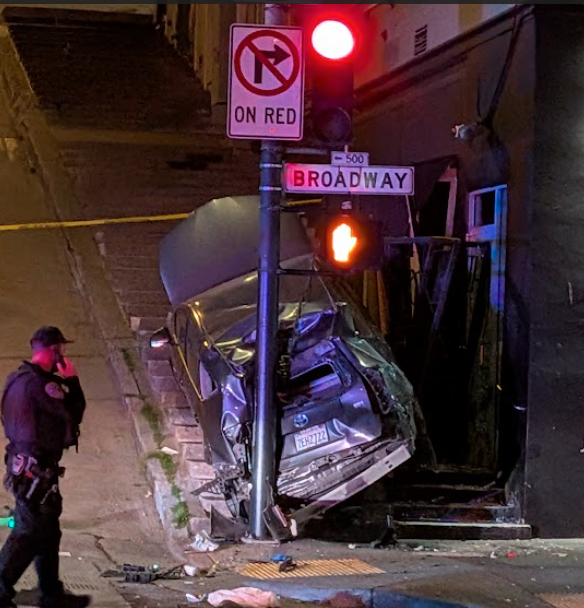
Motorist Careens onto North Beach Sidewalk, Killing Pedestrian
Driver kills pedestrian at another location where a safety project festered
The post Motorist Careens onto North Beach Sidewalk, Killing Pedestrian appeared first on Streetsblog San Francisco.