More Transit Means Safer Streets
Editor’s note: A version of this article originally appeared on State Smart Transportation Initiative and is republished with permission.
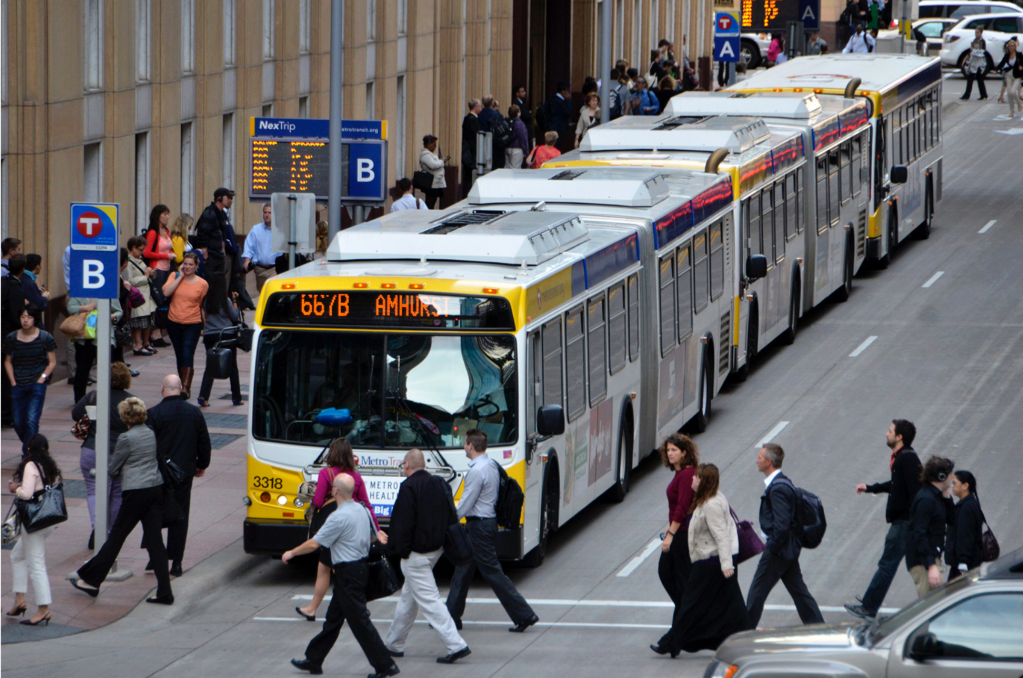
To reduce traffic deaths, public transit should be seen as a core part of safety infrastructure, not just an alternative mode of travel.
Every day, thousands of car crashes occur in the U.S., resulting in injury or death, yet they receive far less attention than the much rarer crashes involving public transit. For city planners working to reduce roadway fatalities, understanding how these perceptions influence travel choices is critical.
As Todd Litman, executive director of the Victoria Transport Policy Institute, explained in Bloomberg, the reality is that driving is far more dangerous than transit, both in terms of crashes and exposure to crime. The death rate for drivers is about ten times higher than for transit riders.
While some people worry about crime on buses or trains, research shows that driving actually exposes people to more violent risks, including road rage shootings, car theft, and parking lot assaults. Transit-related crimes are comparatively rare and typically involve smaller property losses, such as stolen wallets or phones.
At a community level, the built environment matters too: regions designed around driving have roughly five times the traffic fatality rates of areas with stronger transit systems.
Despite these findings, many people continue to feel safer behind the wheel than on a bus or train. This perception is shaped in part by sensational media coverage of unusual transit crimes, paired with limited reporting on the far more common dangers of driving. The result is a distorted sense of risk.
These misconceptions carry real-world consequences. Fewer people choosing transit means fewer “eyes on the system,” which can reduce the natural safety that comes with more riders. Meanwhile, more cars on the road raises the overall risk of crashes for everyone.
A study published in the Journal of Urban Health found that cities with a higher share of transit miles traveled per capita experienced lower motor vehicle fatality rates, even after accounting for factors such as climate, congestion, and economic costs of driving. In other words, greater transit use is directly associated with safer streets.
Experts point to several strategies for closing this gap. Research cited in Bloomberg suggests that making transit feel safer through measures like cleaner vehicles, better station design, improved lighting, amenities such as Wi-Fi, and stricter rule enforcement can help boost ridership. Just as important is reframing the public narrative to highlight the true safety benefits of transit.
Road safety programs should not focus solely on driver behavior. They should also systematically encourage transit use and transit-oriented development, which have clear safety benefits for communities. For policymakers and transit agencies, the challenge and the opportunity lie in reshaping public perception by making transit feel safer and positioning it as one of the most effective tools for reducing traffic deaths.

Read More:
Streetsblog has migrated to a new comment system. New commenters can register directly in the comments section of any article. Returning commenters: your previous comments and display name have been preserved, but you'll need to reclaim your account by clicking "Forgot your password?" on the sign-in form, entering your email, and following the verification link to set a new password — this is required because passwords could not be carried over during the migration. For questions, contact tips@streetsblog.org.
More from Streetsblog USA
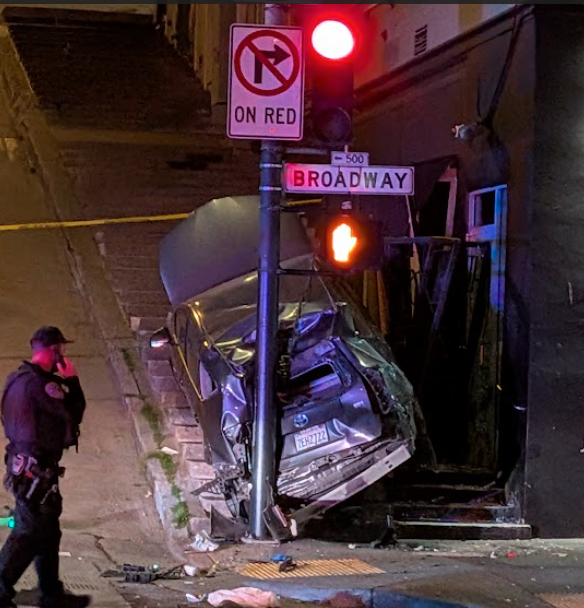
Motorist Careens onto North Beach Sidewalk, Killing Pedestrian
Driver kills pedestrian at another location where a safety project festered
The post Motorist Careens onto North Beach Sidewalk, Killing Pedestrian appeared first on Streetsblog San Francisco.