Workers Remind Philadelphia Pols That Transit Cuts Kill
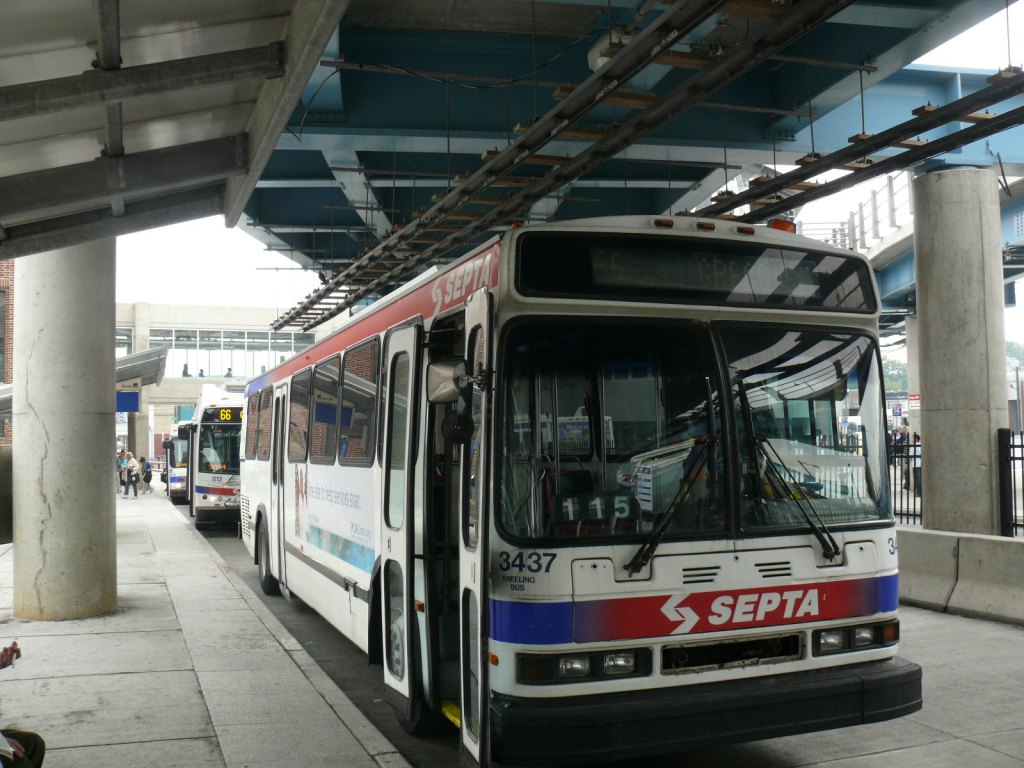
Just in time for Labor Day, the head of Philadelphia’s largest transit workers union highlighted the terrifying stakes of the cuts to mass transportation, and urged an end to a funding crisis that could cost people their lives.
In a fiery statement ahead of the worker’s holiday, Transport Worker’s Union Local 234 President Brian Pollitt decried the ongoing state budget crisis that’s forced the Southeastern Pennsylvania Transportation Authority (which everyone calls SEPTA) to cut its bus and train service by 20 percent in August and threatened even more dire reductions in the coming months if a deal isn’t reached.
But Pollitt emphasized that the very lives of riders could be at risk, too, especially as thinned route maps force commuters to make potentially dangerous treks to catch a ride — and that Republican state lawmakers who have resisted Democrats’ efforts to throw SEPTA a lifeline could have blood on their hands.
“When an elderly man or woman collapses and dies trying to make it to a now distant bus stop, some will say it was natural causes,” Pollitt said. “But in many cases, the cause can be linked to Senate Majority Leader [Joe] Pittman and his irresponsible caucus members, and their dereliction of duty that has led to canceled bus routes, the elimination of bus stops, as well as buses, trollies and trains coming less frequently.”
The safety of transit workers themselves could become a casualty of the budget stalemate, too, Pollitt argued — and he also says more than 5,000 people his union represents are already experiencing abuse. According to 2024 Federal Transit Administration data, SEPTA already experienced “among the highest incidents of transit workers assaults, nationwide” – and that was before the state legislature pushed tensions to a boiling point by attacking many Philadelphians’ only way to get to work.
“When angry and frustrated passengers take out their aggressions over overcrowded busses, they will take it out on the bus driver,” he added. “When a bus at overcapacity passes a bus stop, it will be the bus driver who is blamed. The inaction by the senate is placing my members in harm’s way.”
Of course, transit isn’t just a lifeline for everyday Philadelphians; it’s also a key element of the city and regional economy, and a basic amenity that shapes its reputation on the global stage. And with a FIFA World Cup and the nation’s semiquincentennial celebration slated for the next year — not to mention the Eagles strong prospects for a repeat Super Bowl appearance — Pollitt says lawmakers’ failure to find a funding solution is particularly short-sighted.
“When international guests at the World Cup are left stranded, they will tell their friends around the globe how backward Pennsylvania is,” Pollitt added. “The same is true for NFL fans who won’t be able to find transportation after night games because of newly imposed curfews in Philadelphia and Pittsburgh.
“When visitors to Philadelphia’s historic district find that they can’t get around due to a lack of public transit options and gridlocked streets, they won’t celebrate 250 years of our proud history,” he continued. “They will lament Pennsylvania and the nation’s decline.”
With a hiring freeze, fare increases, and even more service cuts on the horizon, Philadelphia’s transit woes could get far worse soon – and presage similar catastrophes for other U.S. cities like Dallas, Chicago, San Francisco and Pittsburgh, which experts warn are all considering similarly Draconian moves.
Then again, the legislature could take heroic action to stop a transit death spiral by giving SEPTA the stable, permanent funding stream it has long deserved, and set a national example for how other U.S. cities can stop their own transit death spirals — starting by recognizing the devastation they’re already causing, Pollitt added.
“Unless this funding crisis ends now and the senate majority stops playing politics, we – and by that, I mean my members and all Pennsylvanians – will face real harm,” he said. “We don’t need a short-term fix either. We need sustainable transit funding for the long-term.”

Read More:
Streetsblog has migrated to a new comment system. New commenters can register directly in the comments section of any article. Returning commenters: your previous comments and display name have been preserved, but you'll need to reclaim your account by clicking "Forgot your password?" on the sign-in form, entering your email, and following the verification link to set a new password — this is required because passwords could not be carried over during the migration. For questions, contact tips@streetsblog.org.
More from Streetsblog USA
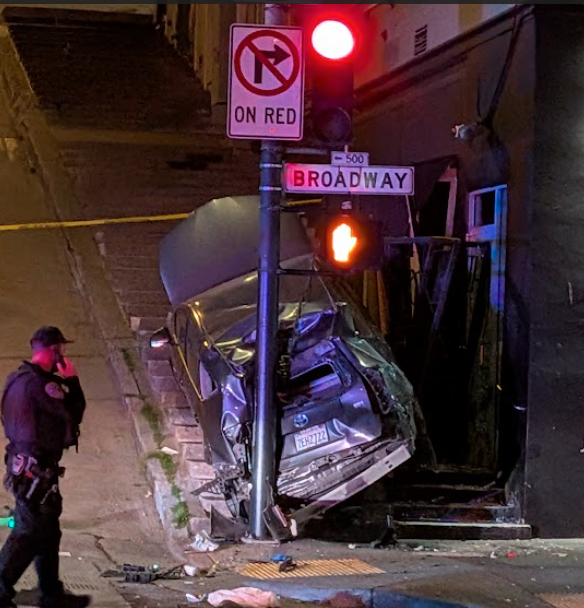
Motorist Careens onto North Beach Sidewalk, Killing Pedestrian
Driver kills pedestrian at another location where a safety project festered
The post Motorist Careens onto North Beach Sidewalk, Killing Pedestrian appeared first on Streetsblog San Francisco.