Study: America’s Blind Spots Are Expanding
A new study has found that the blind spots on some of America’s best-selling cars are growing at a disturbingly fast rate — but pedestrian and bicyclist visibility itself remains a blind spot for federal regulators who consistently fail to mandate that vehicles be designed to reduce the soaring death rates among vulnerable road users.
Analysts at the Insurance Institute For Highway Safety found that automakers had actually reduced the forward visibility of some of their most popular models during the redesign process over the past 25 years, potentially making their drivers more likely to strike pedestrians and bicyclists who pass into those vehicles’ growing blind spots. Pedestrian and bicyclist deaths, meanwhile, have respectively risen 37 and 42 percent over the same period.
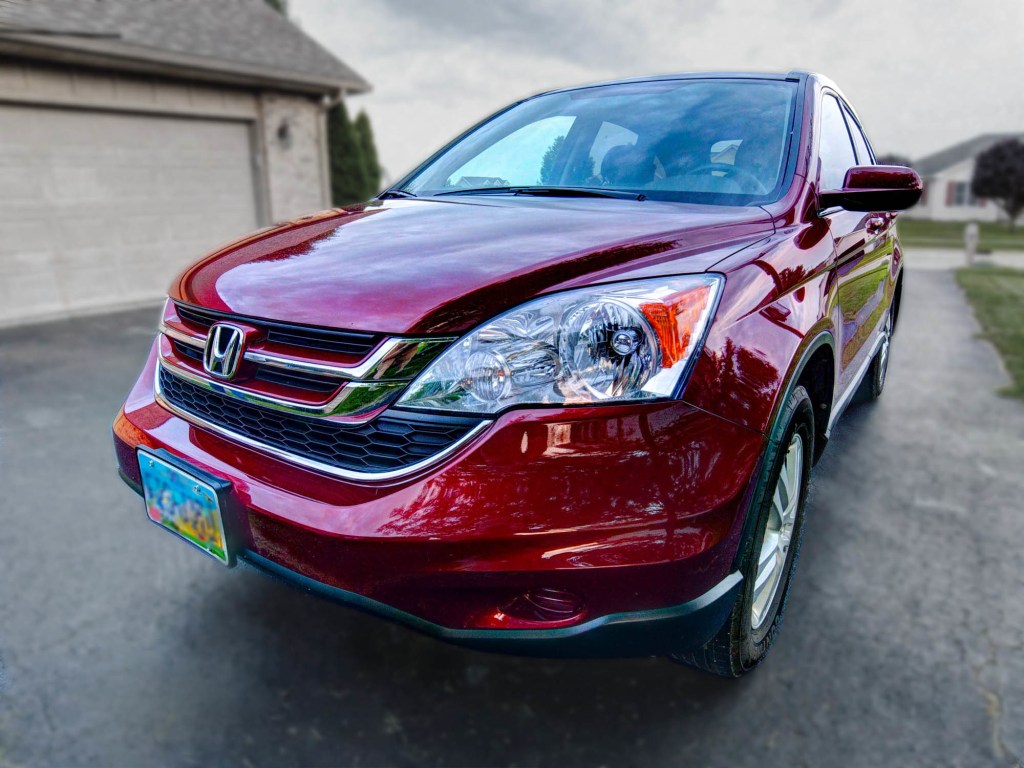
The most dramatic example was the Honda CR-V, whose drivers were able to see 68 percent of the area 10 meters in front of their cars — but only if they stuck with the 1997 model. By 2022, CR-V drivers could only see 28 percent of the road right in front of them.
Those fatal differences are the result of simple design changes, like higher hood heights that drivers can’t see over, thicker “A pillars” on either side of a windshield, and larger side mirrors that obscure motorists’ views of the front corners of their vehicles — and the people who might be walking just beyond them.
Worse, those design elements are common on many vehicles beyond the six best-sellers the researchers were able to study, particularly when it comes to SUVs — which researchers fear could mean these results are just the tip of the iceberg.
“We already know that the portion of the SUVs in the U.S. fleet grew substantially over these years as well,” said Becky Mueller, IIHS senior research engineer and a co-author of the study.

In some ways, the growth of America’s blindspots isn’t particularly shocking – because the concept of blindspots themselves rarely get a direct look.
Currently, no federal test requires automakers to even measure the blind zones of their vehicles, nevermind redesign vehicle elements to maximize how much their drivers can directly see of the road in front of them. The Institute had to develop an entire new method just to measure visibility with easy-to-use portable camera rigs, since previous techniques required cumbersome testing procedures, poring over engineering drawings, or even utilizing lasers.
A 2024 update to the federal New Car Assessment Program gave car makers more points if they included technology to detect people, cars, or other objects in a vehicle’s blind zone, but that technology isn’t mandated — nor are low-tech design changes that can save lives, like simply making hoods shorter or shrinking side-view mirrors.
Even smaller vehicles have increasingly larger blind spots, too — though, fortunately, they’re less dangerous than mega cars. The 2007 Toyota Camry, for instance, had 57-percent visibility in 2023, down from 61 percent in 2007; the Honda Accord, meanwhile, tested at 60 percent in 2023, down from 65 percent 20 years earlier.
Those declines might be smaller, but experts say they’re still troubling — and if regulators don’t take action, some fear they could make roads even more deadly than they already are.
“The across-the-board decrease in visibility for this small group of models is concerning,” said David Harkey, IIHS president. “We need to investigate whether this is a broader trend that may have contributed to the recent spike in pedestrian and bicyclist fatalities.”

Streetsblog has migrated to a new comment system. New commenters can register directly in the comments section of any article. Returning commenters: your previous comments and display name have been preserved, but you'll need to reclaim your account by clicking "Forgot your password?" on the sign-in form, entering your email, and following the verification link to set a new password — this is required because passwords could not be carried over during the migration. For questions, contact tips@streetsblog.org.
More from Streetsblog USA
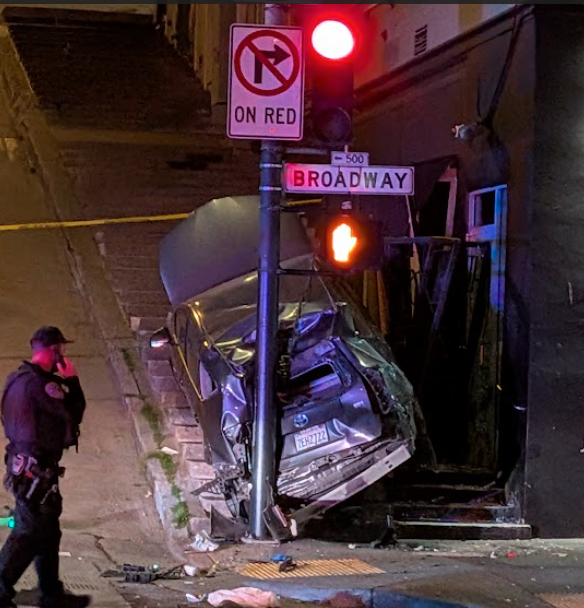
Motorist Careens onto North Beach Sidewalk, Killing Pedestrian
Driver kills pedestrian at another location where a safety project festered
The post Motorist Careens onto North Beach Sidewalk, Killing Pedestrian appeared first on Streetsblog San Francisco.