Brother, Can Friday’s Headlines Spare a Dime?
Drivers only pay for about half the cost of roads, so why shouldn't they chip in for mass transit too? No mode really pays for itself.
By
Blake Aued
12:26 AM EST on March 7, 2025
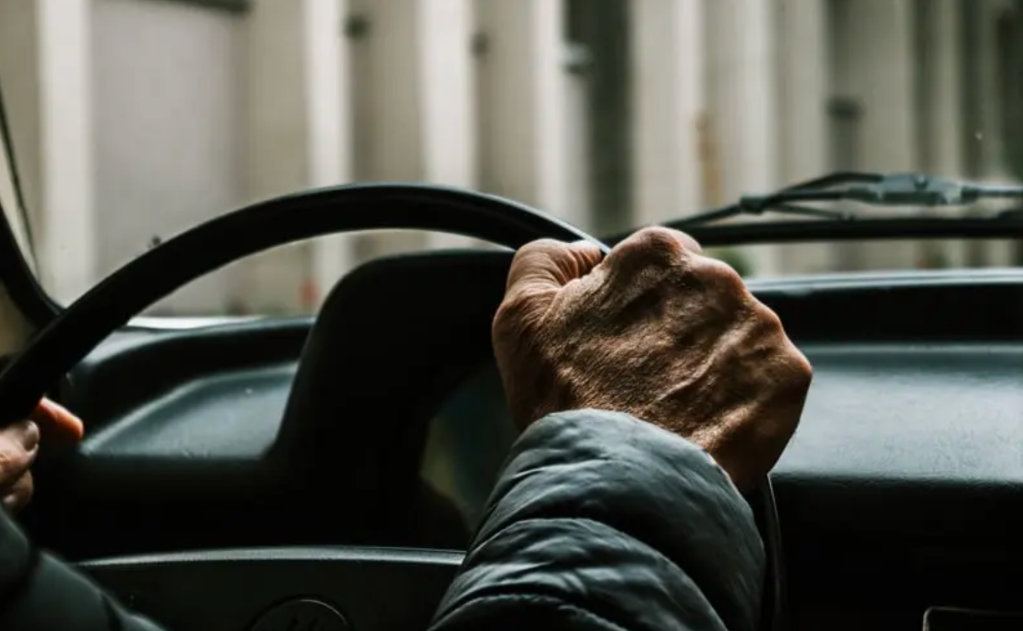
- Yes, drivers should subsidize mass transit, argues planning and transportation writer Andy Boenau. He compares the overall transportation system to a restaurant that breaks even on food but turns a profit by marking up soda. (Urbanism Speakeasy)
- Electric vehicles will not improve transportation equity because their of their high cost and lack of a charging network, according to a paper from the Transportation Energy Institute. (Smart Cities Dive)
- Besides state DOTs not caring if federal grants for rural transit are spent wisely, Jarrett Walker points out another major obstacle to bus service between rural towns: Transit is usually a county function, and counties don’t always cooperate. (Human Transit)
- Standards in zoning codes and transportation manuals are often just bad or outdated guesses that, when they add up, distort infrastructure and development in favor of cars. (City Observatory)
- Heart disease is less common in walkable neighborhoods, but perception is key — the area can’t just be walkable, residents have to think it is. (News Medical)
- Subways are for transporting people safely and efficiently, and politicians should not be sweeping people who need help underground instead of actually addressing the root problems, writes a former New York City transit official. (Vital City)
- Speed bumps on Portland greenways will slow down cars, but modal filters will keep them off greenways entirely. (BikePortland)
- A Fort Worth study recommends three light rail lines emanating from downtown that would cost $800 million and take 10 years to build. Cheaper options include streetcars or bus rapid transit. (Report)
- Stricter emissions regulations in California mean that Salt Lake City vehicles spew more carbon monoxide into the air than their counterparts in Los Angeles. (KSL)
- Without $2 billion in state funds, Los Angeles and San Francisco leaders say their transit agencies may not be able to move huge crowds coming in for the World Cup, Super Bowl and Summer Olympics. (NBC Bay Area)
- Ridership on Denver light rail fell by 1.5 million last year, which officials attributed to maintenance delays; bus boardings rose by almost 2 million. (Times-Call)
- MARTA officials dispute recent federal figures showing that Atlanta transit ridership is falling, blaming broken fare gates for the undercount (Fox 5).
- A new London rail station is expected to create 22,000 homes and 19,000 jobs, and boost the local economy by more than $10 billion. (The Guardian)
- Norway is establishing zero-emissions zones in three cities where gas-powered cars will be banned. (Telegraph)
Blake Aued has been doing Streetsblog's daily national news digest for years. He's also an Atlanta Braves fan, which enrages his editor in New York.
Read More:
Streetsblog has migrated to a new comment system. New commenters can register directly in the comments section of any article. Returning commenters: your previous comments and display name have been preserved, but you'll need to reclaim your account by clicking "Forgot your password?" on the sign-in form, entering your email, and following the verification link to set a new password — this is required because passwords could not be carried over during the migration. For questions, contact tips@streetsblog.org.
More from Streetsblog USA
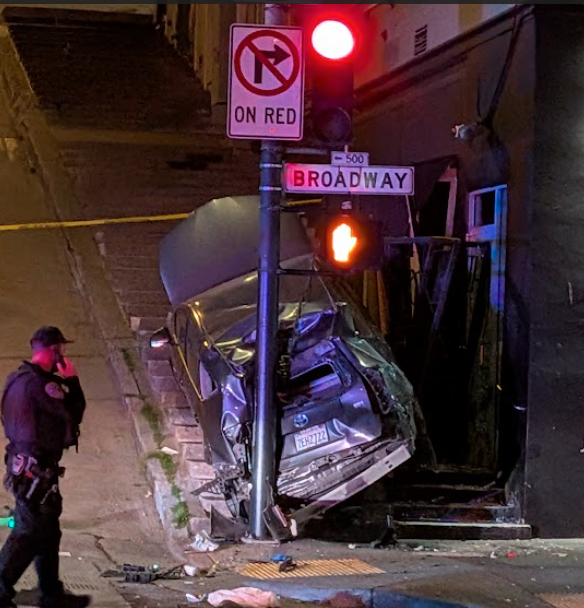
Motorist Careens onto North Beach Sidewalk, Killing Pedestrian
Driver kills pedestrian at another location where a safety project festered
The post Motorist Careens onto North Beach Sidewalk, Killing Pedestrian appeared first on Streetsblog San Francisco.
March 6, 2026
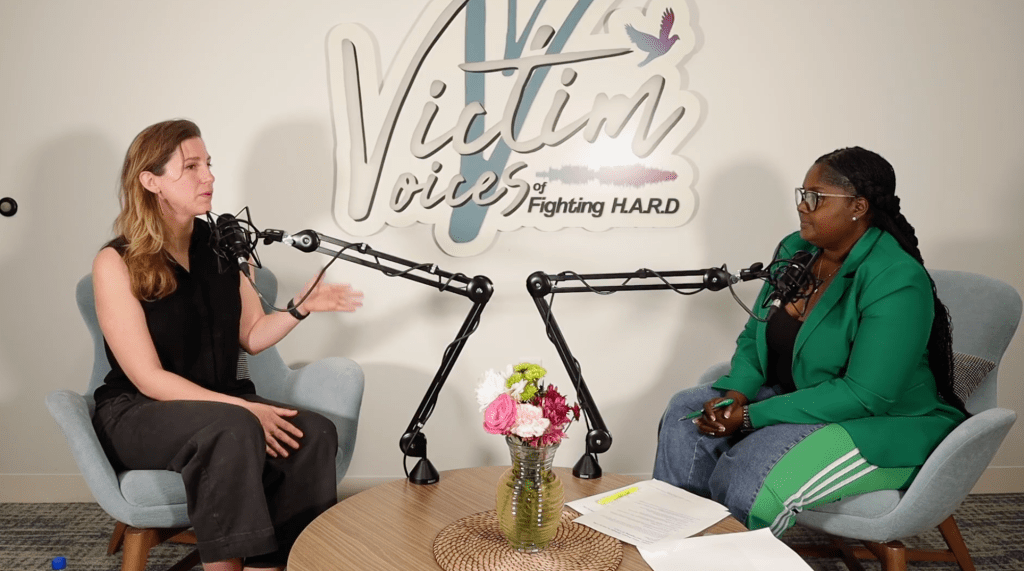
Friday Video: The H.A.R.D. Fight Against Hit-and-Runs
Streetsblog USA senior editor Kea Wilson sits down with Tiffanie Stanfield of Fighting H.A.R.D.

December 12, 2025
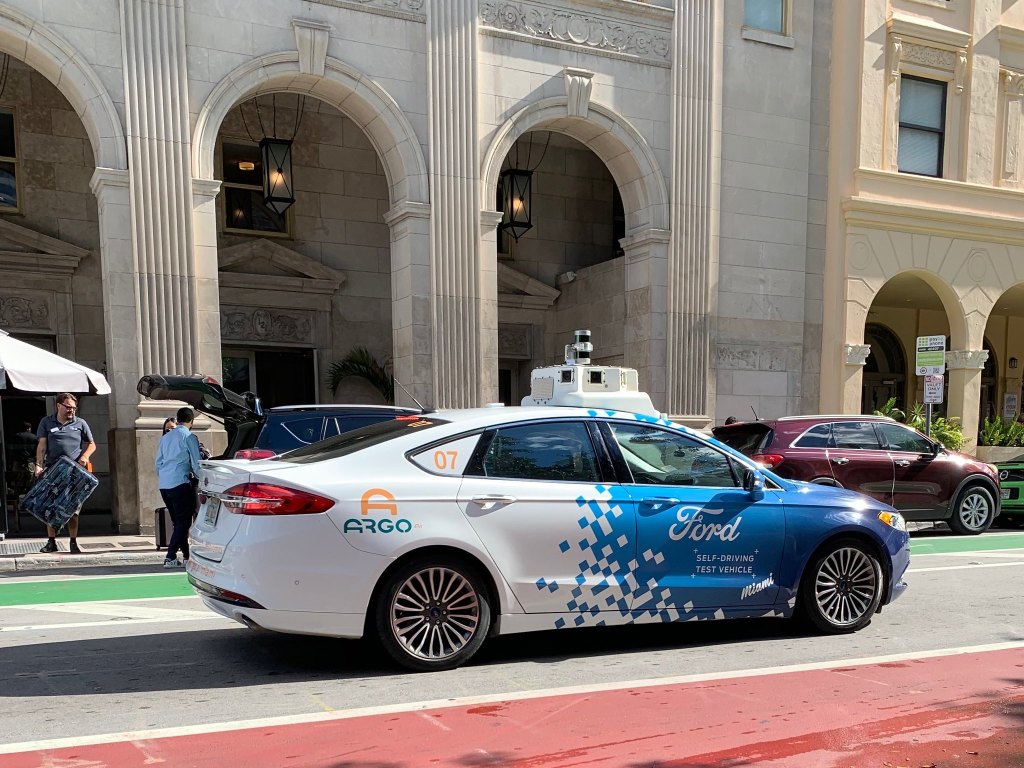
Wednesday’ Headlines Are on Autopilot
Don't be afraid of regulating driverless cars out of existence, writes Angie Schmitt. The industry needs guardrails.
December 10, 2025
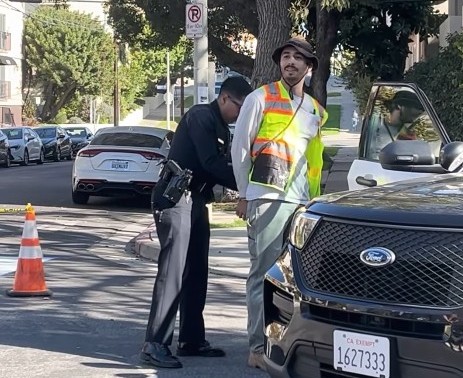
City Shuts Down Volunteer Crosswalk Painting Event in Los Angeles
LAPD cited People's Vision Zero volunteer organizer Jonathan Hale for misdemeanor "vandalism on city property."
December 9, 2025
Tuesday’s Headlines Set the Record Straight
Folks who think dirtier cars will be cheaper to drive are in for a rude awakening.
December 9, 2025