‘Rage Against the Machine’: The Daily Toll of Cars in 18 Images

Editor’s note: The following is an excerpt from The Architecture of Urbanity: Designing for Nature, Culture, and Joy by Vishaan Chakrabarti and is republished with permission.
There are many forces that make our cities banal, inequitable, and unsustainable, but none is as deleterious as our daily use of the private automobile, which threatens human health, community experience, and planetary well-being.
As the direct cause of fatalities and injuries through accidents, airborne particulate matter, sedentary lifestyles that fuel an obesity crisis, isolation that reinforces loneliness and our sociopolitical bubbles, traffic congestion that creates psychological and societal harm, and the existential threat of global carbon emissions, daily car use — as opposed to the occasional road trip — has become a deadly addiction for which we must seek global rehabilitation.
When considered in tandem with the historic wrongs perpetrated on neighborhoods of color when freeways were first built, to the continuing pulmonary hazards tailpipes impose on those same neighborhoods today, driving to satisfy everyday needs in our cities perpetuates environmental injustice as much as it does global warming. This collateral damage is compounded by the sheer amount of public space and dollars private cars demand of urban areas, regardless of their power source, at a time when so many other pressing needs in our cities require room and resources.
Commuting by private car is damaging physically, fiscally, and socially, and the fact that entrenched special interests prioritize cars over urban density and the mass transit it enables is more than maddening. For these reasons global mobility advocacy doesn’t just rage against these machines but rages,
rages against the dying of the street.
The following chapter highlights the myriad adverse impacts of private cars in our daily lives and how we might change this self-imposed reality by adaptively reusing our streets for people:
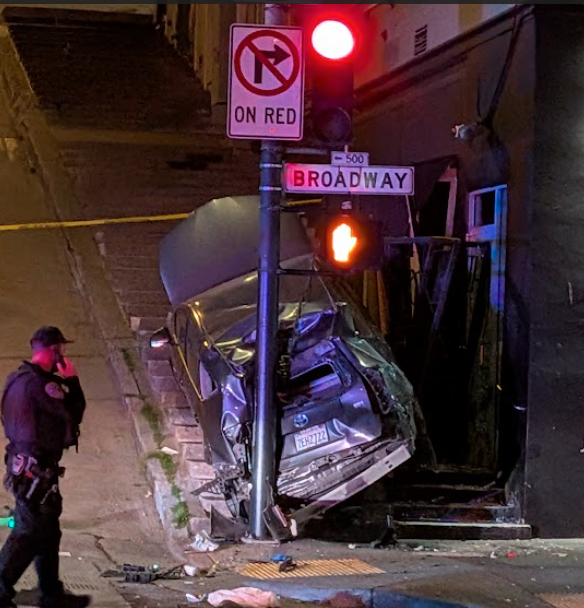
Car commuting kills


Heavy traffic correlates with health hazards …

… compounding health disparities among marginalized populations

Cars erase our cities

Made worse by induced demand

Today, the negative impacts of cars are global


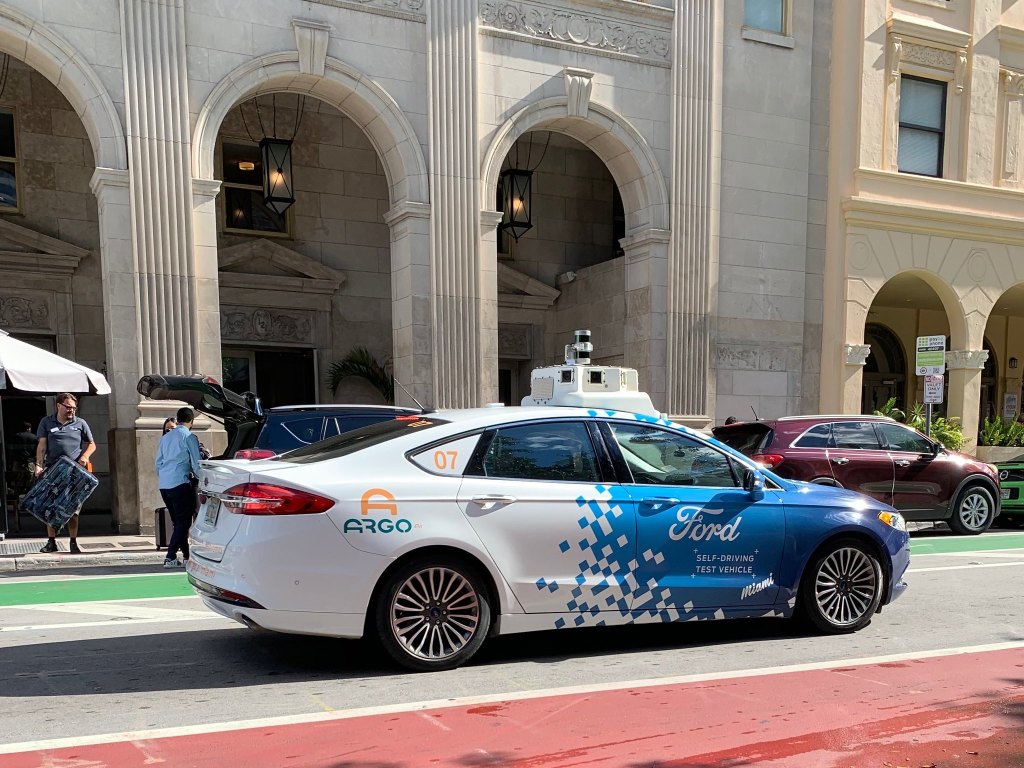
New mobility tech offers promise…

…but raise new questions

These two images are the same scale

Cars waste valuable space in cities

So let’s fix the mistakes of the past



Read More:
Streetsblog has migrated to a new comment system. New commenters can register directly in the comments section of any article. Returning commenters: your previous comments and display name have been preserved, but you'll need to reclaim your account by clicking "Forgot your password?" on the sign-in form, entering your email, and following the verification link to set a new password — this is required because passwords could not be carried over during the migration. For questions, contact tips@streetsblog.org.
More from Streetsblog USA
Motorist Careens onto North Beach Sidewalk, Killing Pedestrian
Driver kills pedestrian at another location where a safety project festered
The post Motorist Careens onto North Beach Sidewalk, Killing Pedestrian appeared first on Streetsblog San Francisco.