Reader Roundup: What the Demise of the Inter-city Bus Station Means for Passengers

Last week before the Thanksgiving holiday, we published a quick look into Greyhound’s decision to shutter indoor waiting areas across the country, and what the demise of the inter-city bus depot as we know it might mean for riders. And in the days since, readers sent us a flood of personal stories about how the shake-up impacts them — and what they wish policymakers and bus companies would do about it.
For many of the riders who wrote to us, Greyhound had long been their only affordable way to visit far-flung family, a green alternative for weekend trips in communities with little to no access to rail, and even a lifeline for last-minute emergency travel to get to sick relatives’ bedsides. Or at least it was — until their local stations transformed into stops and re-located miles away.
One reader reported that she now needs to travel seventy miles just to catch an inter-city bus ride — and when she gets there, she’s asked to wait outside. Another rider from Florida reported that her regular stop had been relocated under a highway overpass in front of a juvenile detention center.
“[Riders] sit [on] a bench in the middle of a parking lot with no identification for a bus stop location; very dark with no lighting no shelter from the rain,” wrote the Florida rider, who asked to remain anonymous.
“They put it in a very dangerous spot… It’s such a shame that we as tax paying citizen[s] cannot have a better and safer bus stop location.”
Of course, Greyhound and other private bus companies generally don’t receive any taxpayer subsidies to keep stations open. That means even woefully-underfunded Amtrak makes out relatively well by comparison — not to mention airports, which are often publicly owned and receive billions in federal support every year.
A passenger on a full flight under 200 miles, for the record, is responsible for nearly ten times more pollution per passenger as passenger on a comparably-sized bus covering the same distance.
One reader in Philadelphia, which makes residents wait in the street, wondered whether things would be different if bus passengers weren’t so publicly derided.
“Could you imagine a city of Philly’s size in Europe/Asia/Australia having this pathetic set-up? No, neither can I,” wrote James. “It says so much about America and how it treats certain classes of citizens: i.e., miserably.”
Things can get especially dire for “certain classes” when inter-city buses experiences delays, as one Cincinnati reader pointed out happened in October, when a staffing issue left a bus full of riders stranded overnight at a parking lot stop with no access to food.
Passengers included a pregnant woman and a mother with a nine month old infant.
The same reader pointed out that those horror stories might have been avoided if bus companies just contracted with other shared transportation outfits to allow their customers to wait indoors, as is a common model other countries.
“In Europe, these bus lines typically operate from train/transit stations where people can safely get food [and] beverages, access restrooms, [and] be sheltered from the elements without venturing into an unknown or potentially dangerous community,” wrote Richard of Cincinnati.
“Our transportation infrastructure, in the US, is not designed to provide safe, comfortable service to consumers of shared transportation modes … I predict more of these carriers, will abandon more cities, because the safety and service they provide to customers is insufficient.”
With rail stations and intra-city bus depots themselves an increasingly rare breed, though, it’s hard to imagine how to unwind Greyhound’s mess. Though some a lot of readers seem to support a simple idea:

Read More:
Streetsblog has migrated to a new comment system. New commenters can register directly in the comments section of any article. Returning commenters: your previous comments and display name have been preserved, but you'll need to reclaim your account by clicking "Forgot your password?" on the sign-in form, entering your email, and following the verification link to set a new password — this is required because passwords could not be carried over during the migration. For questions, contact tips@streetsblog.org.
More from Streetsblog USA
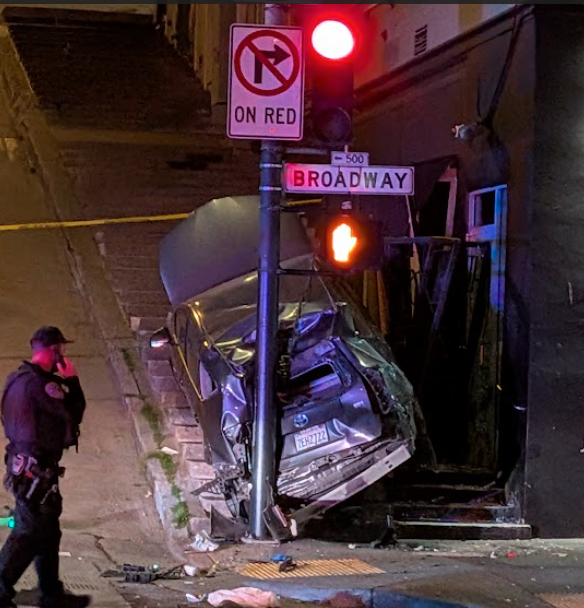
Motorist Careens onto North Beach Sidewalk, Killing Pedestrian
Driver kills pedestrian at another location where a safety project festered
The post Motorist Careens onto North Beach Sidewalk, Killing Pedestrian appeared first on Streetsblog San Francisco.