USDOT Pressures States To Spend New Infrastructure Funds Sustainably

For the first time, U.S. DOT will actively pressure states to spend their federal infrastructure funds on projects that will help end the climate and roadway death crises — and discourage them from pursuing highway expansions.
In a memo issued on Thursday that represents a clear break from the past, Federal Highway Administration Deputy Administrator Stephanie Pollack issued groundbreaking new federal guidelines that will encourage state highway authorities to invest in climate- and equity-friendly projects that improve safety and accessibility for multi-modal road users, while simultaneously prioritizing repair over new construction.
Perhaps most critically, the agency also committed to working closely with every single recipient of federal funds to encourage each to prioritize projects that “maximize the existing right-of-way for accommodation of non-motorized modes and transit options that increase safety, accessibility and/or connectivity.”
States are set to soon receive more than $350 billion in road funding as part of the recently passed Infrastructure Investment and Jobs Act, funds that, traditionally, would have carried virtually no federal strings attached on how states spent it — until now.
Sadly, transportation leaders won’t be legally required to follow Pollack’s advice — yet. But advocates say her memo is more than just a gentle nudge — not least because her framework will give more progressive state DOTs the ammunition they need to push back on politicians who would pressure them to prioritize the status quo.
Among the most potentially transformative new guidelines is a federal advisory that multimodal projects, like bike lanes, sidewalks and BRT lanes, should no longer be subjected to onerous environmental review — and that highway expansions and other high-polluting projects for which the National Environmental Protection Act was created should be scrutinized much more heavily than they are now. Opponents of sustainable transportation across the country have long abused the environmental review process to stall carbon-cutting projects, while letting autocentric efforts sail through.
DOT also teased new advisories which will encourage states to invest in local city infrastructure where most trips occur, rather than on infrequently traveled state-owned highways, and to use travel demand models that account for all the new car trips proposed projects might induce, in addition to the greenhouse gas emissions that come with them.
Advocates say that the most exciting part of the memo, though, is not the guidelines themselves, but the agency’s commitment to doing everything in its power to make sure every single grant recipient heeds them. That will be a massive cultural shift for an agency that has historically been all too eager to give states carte blanche to build whatever they want — and could help erode the silos between what state DOTs tend to build and what the cities under their purview actually want.
“America’s cities share the Administration’s goals for investments that make the country’s streets and bridges safer, more accessible, sustainable, and equitable,” said Corinne Kisner, executive director of NACTO. “The Administration today committed to clear steps to make that vision match the work on the ground. By clearly outlining which projects align with the goals of the infrastructure bill and which are better left on the drawing board, FHWA today outlined a vision for how to spend federal funds to advance local and national goals.”
Now, advocates will need to stay vigilant to see whether that hands-on approach pays off — and to add their own voices to the chorus of stakeholders pressuring state leaders to follow these groundbreaking new best practices.

Streetsblog has migrated to a new comment system. New commenters can register directly in the comments section of any article. Returning commenters: your previous comments and display name have been preserved, but you'll need to reclaim your account by clicking "Forgot your password?" on the sign-in form, entering your email, and following the verification link to set a new password — this is required because passwords could not be carried over during the migration. For questions, contact tips@streetsblog.org.
More from Streetsblog USA
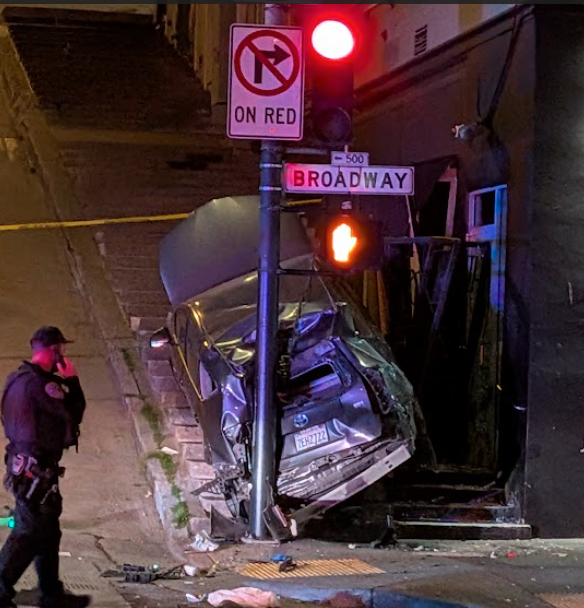
Motorist Careens onto North Beach Sidewalk, Killing Pedestrian
Driver kills pedestrian at another location where a safety project festered
The post Motorist Careens onto North Beach Sidewalk, Killing Pedestrian appeared first on Streetsblog San Francisco.