Seattle: Uber/Lyft Riders Should Pay for New Streetcar

Seattle could become the latest city to use new fees on Uber and Lyft rides to help fund other forms of public transportation — and subsequently get people to stop using Uber and Lyft.
Mayor Jenny Durkan hopes to raise nearly $25 million a year by imposing a 51-cent tax on every Uber and Lyft ride in the city, and then use a portion of the money to help fund a new streetcar that was supposed to start rolling in 2018, the Seattle Times reported.
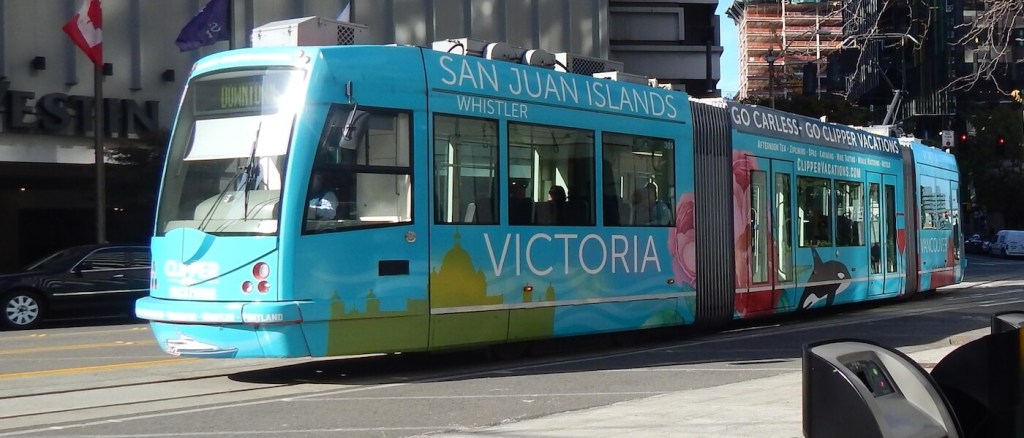
The new Center City Connector, which the mayor hopes to have running by 2025, would link together the city’s unconnected lines, giving residents of the Emerald City more options to easily get around town without a car.
Seattle already has a 24-cent surcharge on all Uber and Lyft rides, according to the Times, with that money used to cover driver licensing and to help make the city’s taxi fleet wheelchair accessible. The new fee would raise that fee to 75 cents, and, according to the mayor, also help fund below-market housing in the city.
If the plan is approved, the birthplace of Starbucks would join New York City and Chicago in charging so-called “ride sharing” companies to help pay for something that could ostensibly put them out of business — transit.
In the Second City, a new five-cent fee was added to Lyft and Uber rides to help pay for new closed-circuit cameras for the Chicago Transit Authority trains at the beginning of the year. Previous fees in Chicago totaled 68 cents, but the five-cent addition is the first earmarked specifically for transit.
New York City also tacked on a new fee for Uber and Lyft drivers on Jan. 1, demanding $2.75 a ride to help pay for that city’s decrepit subway system. That fee, along with a new $2.50 surcharge on yellow cabs, is expected to raise more than $1 million a day for mass transit, according to the New York Times.
In Boston, legislators are also considering a plan to get commuters out of their Ubers and onto the T — Beantown’s subway system — by charging a yet-to-be determined new fee. Every Uber or Lyft rider in the state of Massachusetts already pays a 20-cent surcharge, with 10 cents going to the municipality within which the ride is taken, and 10 cents going to the state to help pay for the state’s taxi industry.
In a statement, Lyft spokeswoman Lauren Alexander said the new Seattle tax will result in fewer rides and, subsequently, decreased earnings for drivers and added that congestion pricing would be a better way for Mayor Durkan to achieve her goals.
Uber spokesmen Harry Hartfield agreed charging all drivers coming into heavily trafficked areas is the best way to fund mass transit, noting the company had already worked with New York to introduce such a policy.
“We’re proud to have played a major role in the passage of comprehensive congestion pricing in New York City and continue to support efforts to pass truly comprehensive congestion pricing in cities like Seattle and Boston,” he said.

Streetsblog has migrated to a new comment system. New commenters can register directly in the comments section of any article. Returning commenters: your previous comments and display name have been preserved, but you'll need to reclaim your account by clicking "Forgot your password?" on the sign-in form, entering your email, and following the verification link to set a new password — this is required because passwords could not be carried over during the migration. For questions, contact tips@streetsblog.org.
More from Streetsblog USA
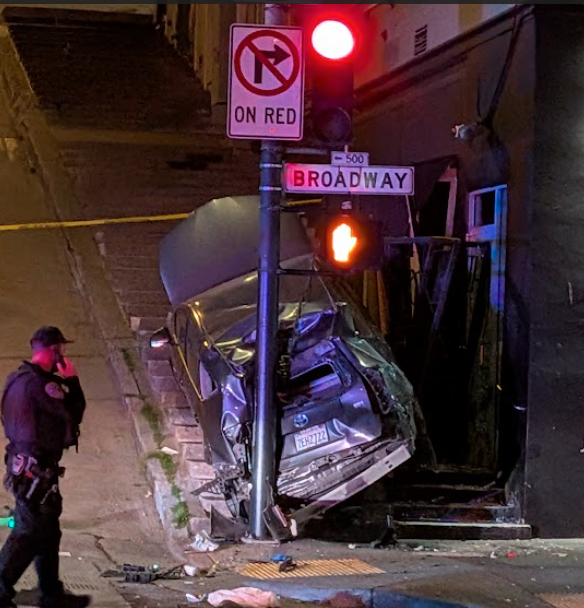
Motorist Careens onto North Beach Sidewalk, Killing Pedestrian
Driver kills pedestrian at another location where a safety project festered
The post Motorist Careens onto North Beach Sidewalk, Killing Pedestrian appeared first on Streetsblog San Francisco.