Native American Pedestrians Have Highest Death Rate
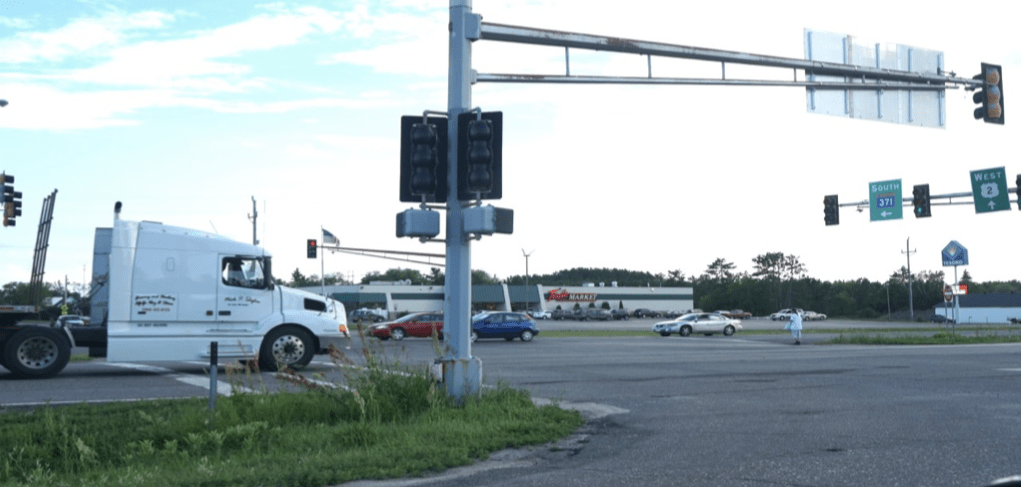
Native Americans have the highest pedestrian fatality risk of any racial group — and are almost five time more likely than white people to be killed while walking in the U.S.
A new study study out of University of Minnesota helps explain why: The roads around tribal lands are dangerous, offering almost no accommodation for pedestrians, even though many tribal residents rely on walking to meet their basic needs.
Extensive surveying and field work by Kathryn Quick and Guillermo Narvaez at four Minnesota reservations revealed that pedestrian safety was the top infrastructure concern, from tribal leaders right on down to residents and visitors.
“As soon as I get on the rez I know I need to start looking out for pedestrians,” one interviewee, for example, told the research team.
Residents of the Red Lake Nation in northwest Minnesota, for example, have worn foot trails along State Highway 1 toward a nearby food store. But the MN-1 is dangerous. Tribal residents walk along narrow shoulders and must navigate intersections without crosswalks or “Walk” signs.
“Other people told us that they avoid sending their children out to walk or bicycle because there is no safe shoulder or sidewalk for them to do that,” Quick and Narvaez wrote, citing interviews with residents of the Fond du Lac reservation in the northern part of the state. “Leaders in the tribal government also name pedestrian safety as a very high priority, not only because they are concerned about safety, but also because the tribal government is actively encouraging walking for health and recreation.”
Pedestrian safety was a top concern for tribal residents, but there was a big disconnect with the way government safety officials viewed the problem, Quick and Narvaez wrote. Government safety officials interviewed for the project almost never brought up pedestrian safety, and downplayed its importance even when prompted to discuss it. Government safety officials were more likely to emphasize other issues like drunk driving or seat belt use.
Quick and Narvaez concluded that more sensitive transportation planning is needed around tribal lanes including, trails and sidewalks, signalized crossings and good street lighting.

Read More:
Streetsblog has migrated to a new comment system. New commenters can register directly in the comments section of any article. Returning commenters: your previous comments and display name have been preserved, but you'll need to reclaim your account by clicking "Forgot your password?" on the sign-in form, entering your email, and following the verification link to set a new password — this is required because passwords could not be carried over during the migration. For questions, contact tips@streetsblog.org.
More from Streetsblog USA
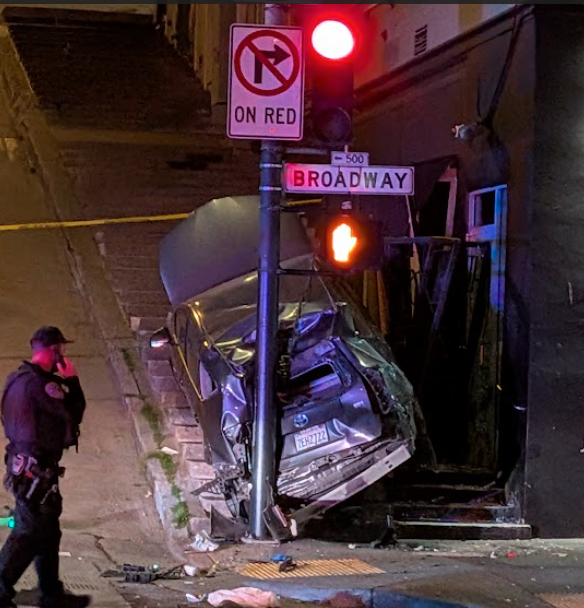
Motorist Careens onto North Beach Sidewalk, Killing Pedestrian
Driver kills pedestrian at another location where a safety project festered
The post Motorist Careens onto North Beach Sidewalk, Killing Pedestrian appeared first on Streetsblog San Francisco.