Seattle Tosses Out Rulebook to Protect Pedestrians
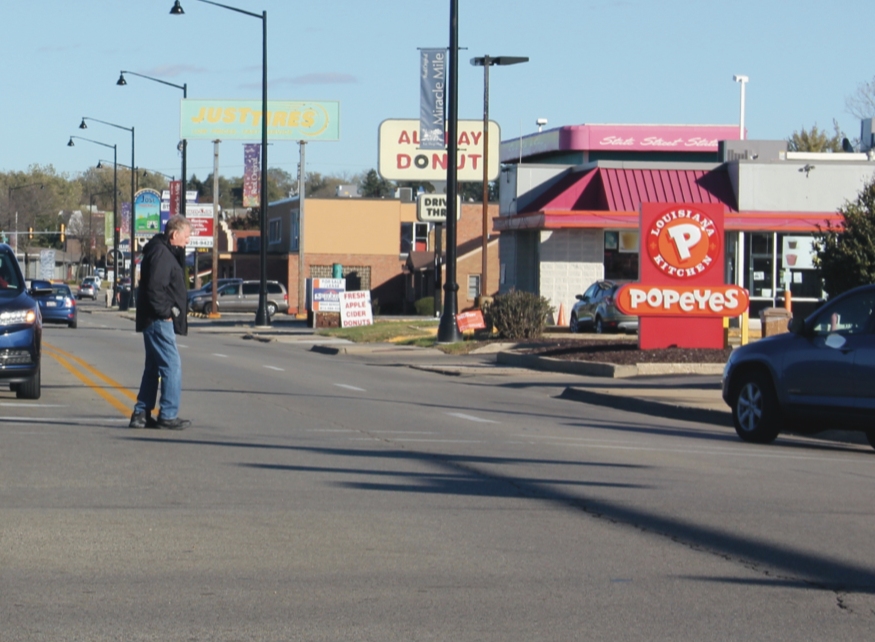
Seattle will begin adding safe crosswalks without first assessing if high numbers of pedestrians are going to use them — a direct contradiction of the nation’s road design Bible.
The Manual on Uniform Traffic Control Devices states that before communities can add a signalized crosswalk — a crosswalk with a traffic light — there must be at least 93 pedestrians that cross at the location every hour. If pedestrian traffic is insufficient, the manual will also allow a signalized crosswalk only if five pedestrians were struck by drivers (think about that) at that location within a year.
In recent years, some progressive transportation engineers have challenged this rule, noting it subordinates pedestrian safety to the speedy flow of car traffic. (Indeed, as transportation planners sometimes joke, you can’t determine the need for a bridge by measuring how many people are swimming across the river.)
In Seattle, the city’s lead engineer, Dongho Chang, announced that the city was “piloting a new approach” to crossings on its greenway system. The city will add the crosswalk and the signal and then count how many pedestrians cross and see if it reaches the threshold that the MUTCD recommends.
According to Chang, the first experiment — at Ballard Avenue — was successful.
Eventually, some engineers hope, Seattle’s experiment will push other cities to try a new approach and, eventually, encourage action by the national committee responsible for updating the MUTCD. It’s especially important given the sharp increase pedestrian fatalities in recent years.

Read More:
Streetsblog has migrated to a new comment system. New commenters can register directly in the comments section of any article. Returning commenters: your previous comments and display name have been preserved, but you'll need to reclaim your account by clicking "Forgot your password?" on the sign-in form, entering your email, and following the verification link to set a new password — this is required because passwords could not be carried over during the migration. For questions, contact tips@streetsblog.org.
More from Streetsblog USA
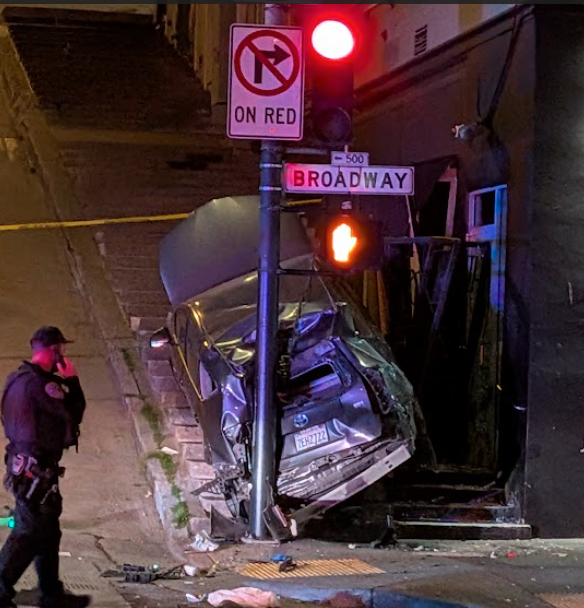
Motorist Careens onto North Beach Sidewalk, Killing Pedestrian
Driver kills pedestrian at another location where a safety project festered
The post Motorist Careens onto North Beach Sidewalk, Killing Pedestrian appeared first on Streetsblog San Francisco.