Scooter Company Bird Offers to Pay Cities to Build Bike Lanes
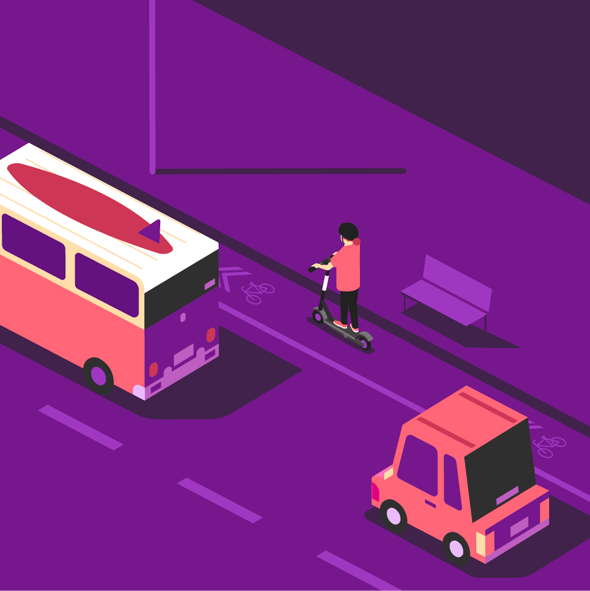
Bird, the scooter start-up that became a Silicon Valley unicorn seemingly overnight, wants to chip in to fund bike lanes in cities.
Patrick Sisson at Curbed reports that the company has pledged to contribute $1 per scooter per day into a fund that will pay for projects that carve out street space where its users can ride without getting intimidated by drivers or aggravating people on sidewalks. The company urged other scooter and bike-share firms to do the same.
Bird will also convene a “Global Safety Advisory Board” led by David Strickland, the former head of the National Highway Traffic Safety Administration and currently a major lobbyist for the self-driving car industry. The advisory board will make safety recommendations addressing walking and biking as well as scooters, Sisson reports.
What Bird is proposing resembles bike industry initiatives like People for Bikes, the advocacy organization that promotes best practices for bike infrastructure. More support for bike lanes and pedestrian safety is certainly welcome, and the offer will no doubt endear the company to people fed up with car-centric streets.
A funding stream pegged to the number of Bird scooters also creates an incentive for cities to allow the company to expand its fleets. In Charlotte, for example, Bird is limited to 300 scooters. At that size, Bird’s proposal would generate just $109,000 annually for the city. San Francisco only allows 1,250 scooters citywide — and not all of them are Bird’s.
If cities start allowing several thousand scooters instead of hundreds, that could generate millions of dollars a year — which could actually build a non-trivial amount of bike lanes.
But Bird’s proposal also has its pitfalls. City budgets are fungible, and any outside earmarks might not actually increase whatever the government would otherwise spend on bike lanes.
And the specific projects that Bird wants to implement might not be the projects that should rate as the highest priorities for the public, as Arizona State professor David King pointed out:
Whatever you make of Bird’s offer, there’s certainly an opening here that cities shouldn’t let go to waste. The company’s incentives align with the goals of cutting car traffic and improving traffic safety. Streets where people can safely ride scooters out of the way of pedestrians and cars will be safe for people walking and biking too.
Companies like Uber and Lyft routinely mobilize their users to advocate on their behalf. If Bird riders become a large constituency supporting better street designs, that can help advance the goal of safer streets for everybody, as long as cities don’t cede the specifics of policy making.

Read More:
Streetsblog has migrated to a new comment system. New commenters can register directly in the comments section of any article. Returning commenters: your previous comments and display name have been preserved, but you'll need to reclaim your account by clicking "Forgot your password?" on the sign-in form, entering your email, and following the verification link to set a new password — this is required because passwords could not be carried over during the migration. For questions, contact tips@streetsblog.org.
More from Streetsblog USA
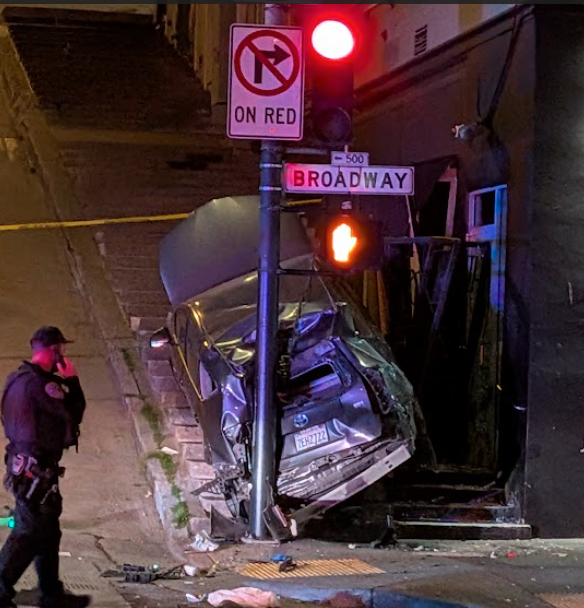
Motorist Careens onto North Beach Sidewalk, Killing Pedestrian
Driver kills pedestrian at another location where a safety project festered
The post Motorist Careens onto North Beach Sidewalk, Killing Pedestrian appeared first on Streetsblog San Francisco.