The Twin Cities Figured Out the Formula for Increasing Bus Ridership
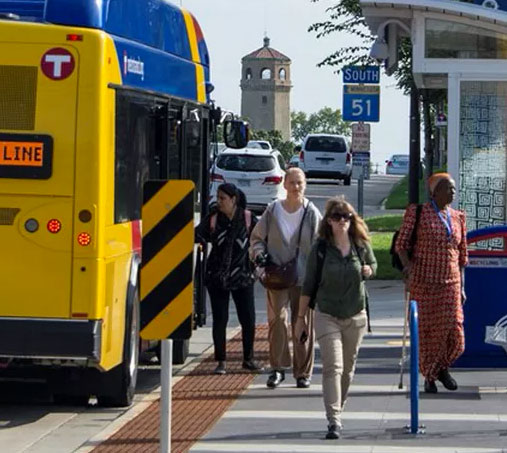
The reviews are in for the Twin Cities’ first enhanced bus route — the A Line — and riders want more.
Metro Transit calls the service arterial Bus Rapid Transit, or “aBRT,” but the A Line has no dedicated right of way as it runs along Snelling Avenue. Instead, the A Line has features that should be common on most bus routes.
Riders pay before boarding and can get on the bus at any door. Peak service runs at least every 10 minutes. Buses do not have to merge back into traffic after picking up riders. After consolidating stops, the A Line now stops about every half-mile along the 10-mile route. Traffic signals hold green lights for buses. And the stations are well-equipped with shelters, arrival displays, and bike racks.
Ridership has increased 30 percent since the $27 million A Line upgrades were completed in 2016, writes William Schroeer, executive director of the transit advocacy group East Metro Strong, at Streets.mn. Working with Better Buses MSP, an organization supported by the Minneapolis Regional Chamber of Commerce, the Saint Paul Area Chamber of Commerce and East Metro Strong, Schroeer helped produce this video interviewing A Line riders:
Even Schroeer was a little taken aback by praise for the line, he writes:
Now, I knew about the 30% increase in ridership in this corridor since the A Line opened. But the numbers did not quite prepare me for people’s enthusiasm.
“It’s just really easy.”
“The A Line has helped me by taking 10 to 15 minutes off my commute every day.”
“I like riding the A Line because it’s very fast.”
“I really love the fact that it comes so often.”
There are 12 other bus routes in line for the same type of upgrades, and the success of the A Line seems to be opening up a path for more of those projects to get implemented.
Governor Mark Dayton has proposed $50 million in bonding for similar improvements to other bus routes. And the Pioneer Press gave this approach a resounding endorsement, saying the A Line is a good value that can be replicated quickly and help the region meet the needs of its growing population.
More recommended reading today: Bike Portland says Mayor Ted Wheeler can’t call himself a “climate change mayor” and still back pricey urban highway widenings. And Pedestrian Observations looks at how commute travel patterns differ between high-income and low-income workers.

Read More:
Streetsblog has migrated to a new comment system. New commenters can register directly in the comments section of any article. Returning commenters: your previous comments and display name have been preserved, but you'll need to reclaim your account by clicking "Forgot your password?" on the sign-in form, entering your email, and following the verification link to set a new password — this is required because passwords could not be carried over during the migration. For questions, contact tips@streetsblog.org.
More from Streetsblog USA
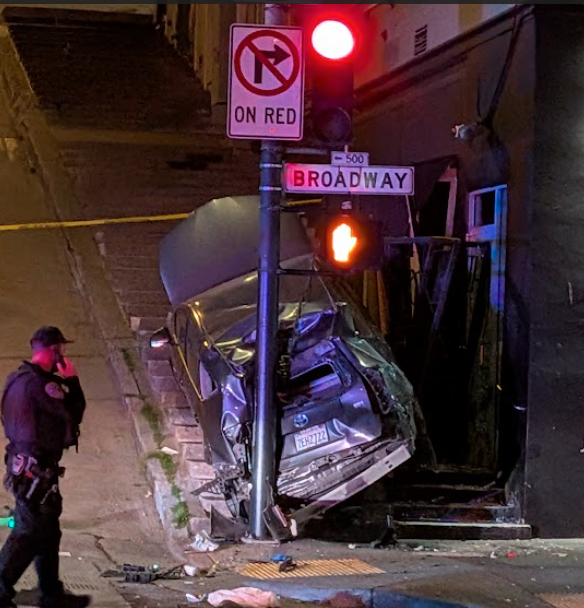
Motorist Careens onto North Beach Sidewalk, Killing Pedestrian
Driver kills pedestrian at another location where a safety project festered
The post Motorist Careens onto North Beach Sidewalk, Killing Pedestrian appeared first on Streetsblog San Francisco.