Video of the Fatal Uber Self-Driving Car Crash Upends the Victim-Blaming Narrative
The first accounts from police about the self-driving Uber car that struck and killed Elaine Herzberg in Tempe, Arizona, rushed to absolve Uber and blame the victim. They described Herzberg, 49, as appearing in the roadway “out of the shadows” “like a flash” and emphasized that she was not in a crosswalk.
It’s a template that police have followed after countless pedestrian deaths caused by human drivers. Every action of the victim is conveyed in the most accusatory light, while the driver’s actions aren’t questioned at all.
As with many of those cases, now that video from the Uber car has been released, the victim-blaming narrative doesn’t hold up. The images should alarm anyone living in an area where these vehicles are being operated on public streets.
The exterior video shows Herzberg, pushing a bike to ferry belongings, had already crossed most of the street at the moment of impact — she didn’t hurl herself into the car’s path. She was outside a crosswalk, but a main selling point of autonomous vehicles is that they’re supposed to detect and safely react to such situations.
Writing at Forbes, Jim McPherson, a legal consultant on autonomous vehicle issues, says Uber’s sensors should have been able to detect Herzberg even in poor lighting. Other industry experts relayed similar conclusions to the Associated Press. Instead, the vehicle did not brake until impact.
Either there was some sort of technical failure, says McPherson, or the car was programmed not to swerve out of the lane in order to protect the vehicle and its occupants, which raises a whole host of ethical questions.
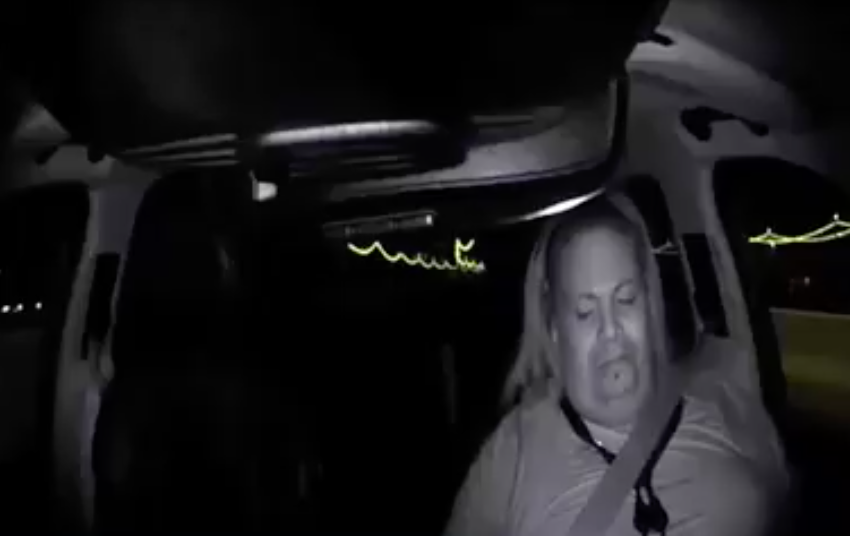
In the event of such a breakdown, a human “safety driver” is supposed to take control of the vehicle. But interior video shows the backup driver looking away from the road for significant stretches of time immediately before the crash:
Tempe Police Vehicular Crimes Unit is actively investigating
the details of this incident that occurred on March 18th. We will provide updated information regarding the investigation once it is available. pic.twitter.com/2dVP72TziQ— Tempe Police (@TempePolice) March 21, 2018
It may be a year before the National Transportation Safety Board releases a detailed report on the collision, providing more definitive answers.
For now, Uber has temporarily suspended its AV testing. Other automakers have not. They may have better technology and protocols to prevent collisions, but the public has startlingly few assurances that necessary safeguards are in place.
That’s what public safety watchdogs have been trying to communicate. The regulation of AVs has been too lax as companies beta-test the technology on roads where a glitchy sensor, bad code, or momentary lapse of attention by the human back-up can easily prove fatal.
The crash in Tempe suggests that on a per-mile basis, Uber’s AV system is more dangerous than human drivers. The public should have assurance that companies are adhering to a higher standard if they’re going to test products on our streets.

Read More:
Streetsblog has migrated to a new comment system. New commenters can register directly in the comments section of any article. Returning commenters: your previous comments and display name have been preserved, but you'll need to reclaim your account by clicking "Forgot your password?" on the sign-in form, entering your email, and following the verification link to set a new password — this is required because passwords could not be carried over during the migration. For questions, contact tips@streetsblog.org.
More from Streetsblog USA
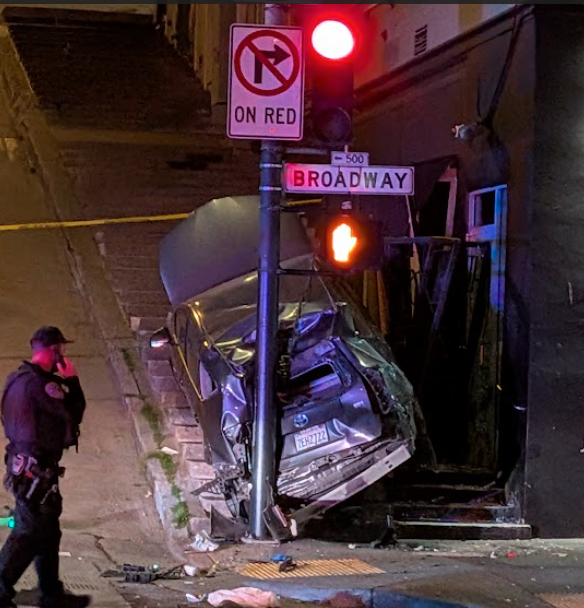
Motorist Careens onto North Beach Sidewalk, Killing Pedestrian
Driver kills pedestrian at another location where a safety project festered
The post Motorist Careens onto North Beach Sidewalk, Killing Pedestrian appeared first on Streetsblog San Francisco.