Philly Wants to Modernize Its Streetcar System
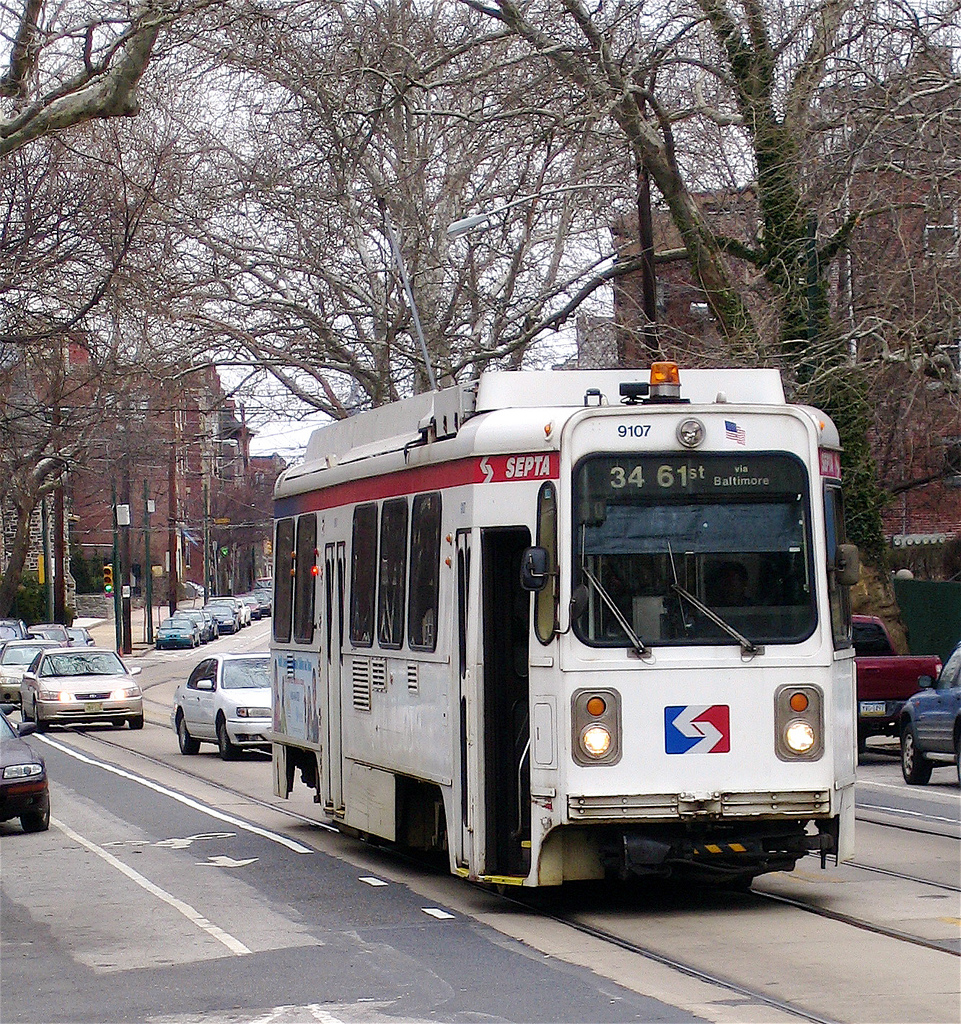
Philadelphia is one of the few American cities that continues to operate sections of its legacy streetcar system. The city’s streetcars move a lot of people — carrying about 80,000 daily trips on 68 miles of track — but the system could use an overhaul.
The streetcars are reaching the end of their useful life. They are too small. The system is not wheelchair accessible. And it is slow.
The Delaware Valley Regional Planning Commission is mapping out a way forward with a $1.1 billion plan to revamp the system and improve service, reports Jason Laughlin at the Philadelphia Inquirer. The proposal calls for replacing the 112-car fleet with larger, modern streetcars and constructing raised platforms to accommodate people who use wheelchairs.
Here’s a look at the three major benefits for riders.
More capacity, less crowding
Philadelphia’s trolleys are frequently full, even outside of rush hour, Laughlin reports. The new cars will be 80 feet long and hold twice as many people as the current fleet of 53-foot cars.
Faster trips
The plan calls for consolidating stops so streetcars spend more time in motion. The current spacing averages out to 642 feet between stops — much closer together than the quarter mile stop spacing recommended for local transit routes. DVRPC’s plan [PDF] calls presents 40 percent fewer stops as an option.
That should speed up trips for streetcar riders. In Portland, bus stop consolidation improved trip times 6 percent.
Better accessibility and stop design
Most of the current streetcar fleet is not wheelchair accessible. The new streetcars would be equipped with ramps and low floors to improve access for all.
In addition, streetcar stops could be improved with shelters, and built on raised islands that leave room for curbside protected bike lanes.
While Toronto is showing how much better streetcars operate when cars aren’t in the way, it’s not clear that Philadelphia will do the same. The DVRPC report does detail how certain streets might be cleared of traffic to give trolleys the right of way. It remains to be seen if the city will embrace that sort of strategy — which could really speed up service.
This post was corrected to clarify that Philadelphia planners have not ruled out giving the trolleys dedicated right of way.

Read More:
Streetsblog has migrated to a new comment system. New commenters can register directly in the comments section of any article. Returning commenters: your previous comments and display name have been preserved, but you'll need to reclaim your account by clicking "Forgot your password?" on the sign-in form, entering your email, and following the verification link to set a new password — this is required because passwords could not be carried over during the migration. For questions, contact tips@streetsblog.org.
More from Streetsblog USA
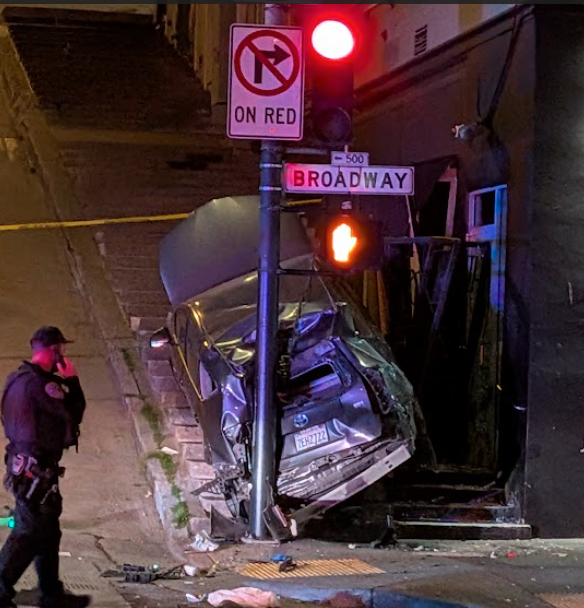
Motorist Careens onto North Beach Sidewalk, Killing Pedestrian
Driver kills pedestrian at another location where a safety project festered
The post Motorist Careens onto North Beach Sidewalk, Killing Pedestrian appeared first on Streetsblog San Francisco.