Transportation Safety Establishment Finally Starting to Understand Bicycling
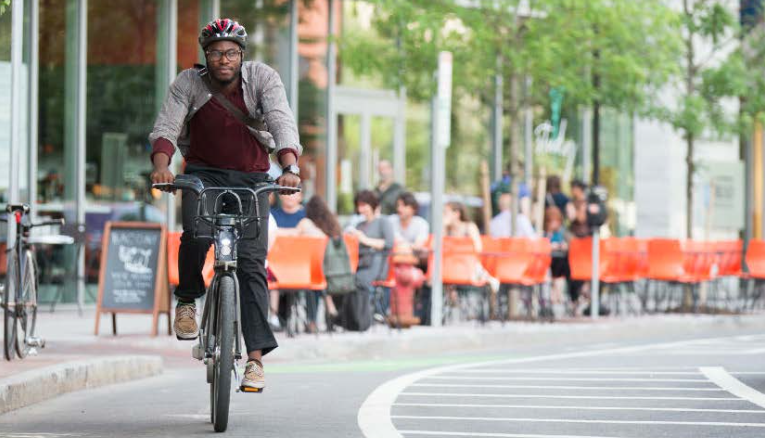
The Governors Highway Safety Association came out with a report last week about how states can reduce cycling fatalities [PDF]. It’s not a revolutionary document, but if you look closely you’ll see signs of progress at one of the big national organs of the transportation safety establishment.
The GHSA offers 30 recommendations in all, a sort of grab-bag of common sense reforms.
Importantly, the organization confronts how excessive motor vehicle speeds create risks for people on bikes. The report recommends that states allow cities to lower speed limits, create “slow zones” on local street networks, and use automated speeding enforcement enforcement.
That marks the second time this summer a major American transportation safety agency has put out recommendations about speed reduction, following a major new report from the National Transportation Safety Board. This is an important development because of the weight these national organizations carry with state DOTs.
For a long time the standard message from these organizations was to discourage “drunk walking” and hammer home helmet use. Those messages haven’t gone away entirely. Check out this tweet from the National Highway Traffic Safety Administration last week:
The two best protections when biking to and from school are a properly fitted bicycle helmet and obeying traffic safety rules. pic.twitter.com/lNHz1GdR4J
— NHTSA (@NHTSAgov) August 22, 2017
GHSA was never quite as bad as the NHTSA, and for the most part, the organization seems to be receptive to the idea that systemic factors like dangerous street design need to be addressed more than the behavior of individual cyclists. There’s still the odd mention of “drunk cyclists” and helmets in the new report, but the emphasis has clearly shifted.
In addition to the recommendations about speed reductions, GHSA says state DOTs should educate policy makers about complete streets policies and tells them to use the NACTO Bikeway Design Guide, which explicitly endorses treatments like protected bike lanes that older American engineering manuals have yet to incorporate.
The GHSA doesn’t control any streets itself, but hopefully its evolving message will start to influence state DOTs around the country.

Read More:
Streetsblog has migrated to a new comment system. New commenters can register directly in the comments section of any article. Returning commenters: your previous comments and display name have been preserved, but you'll need to reclaim your account by clicking "Forgot your password?" on the sign-in form, entering your email, and following the verification link to set a new password — this is required because passwords could not be carried over during the migration. For questions, contact tips@streetsblog.org.
More from Streetsblog USA
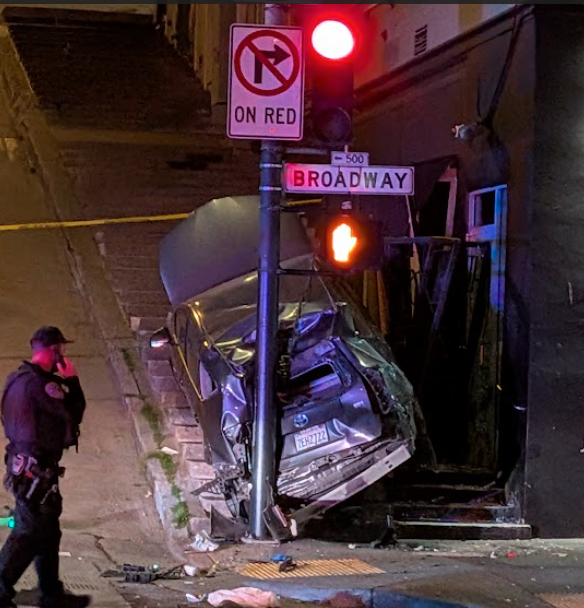
Motorist Careens onto North Beach Sidewalk, Killing Pedestrian
Driver kills pedestrian at another location where a safety project festered
The post Motorist Careens onto North Beach Sidewalk, Killing Pedestrian appeared first on Streetsblog San Francisco.