Richmond, Virginia, Shows How Smaller Cities Can Get Serious About Transit
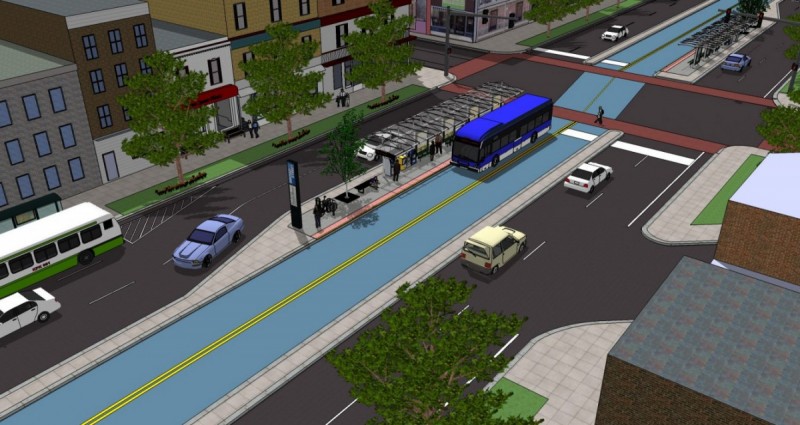
Last year, Richmond, Virginia, began construction on GRCT Pulse, a bus rapid transit route that will provide faster, more frequent service along the city’s busiest bus corridor.
It’s an important step forward for the city’s poorly-used, bare-bones transit system. And it could be the start of a bigger regional BRT system.
Dan Malouff at Greater Greater Washington reports that Richmond officials have embarked on a three-phase approach to creating a high-quality regional transit system:
Step one: A recently completed bus network redesign by Jarrett Walker. Richmond officials redrew their local bus lines so major streets will have more frequent buses. That will make the existing bus system more convenient to more people, boosting ridership.
That’s great, but local buses only get Richmond so far. To become a bona fide transit city, Richmond needs regional rapid transit. That’s where BRT comes in.
Step two: The first BRT line, under construction now. It will run along Broad Street, Richmond’s busiest existing bus corridor.
It’ll be a nice line, and Broad Street is the sensible place to start with a high quality transit system. But it’s only one line, 7.6 miles. Without a better citywide network, it won’t be transformative.
Thus, step three: The full 80-mile BRT network. If it becomes reality, five lines will fan out from downtown Richmond, covering all its major urban neighborhoods and several important suburban areas…
For now, that third step is just a vision. Although the local bus redesign and the Broad Street BRT are happening, the full BRT network is just an idea. The plan isn’t binding and comes with no money for construction. It merely lays the groundwork for future corridor-specific planning, if the political will and funding materialize.
More recommended reading today: Bike Portland reports that Oregon’s new bike tax is already inspiring copycats. At Plan Philly, Alon Levy considers whether the Northeast Corridor will ever get true high-speed rail. And Washington Bikes reports that the state legislature has passed a new bill prohibiting “driving under the influence of electronics.”

Read More:
Streetsblog has migrated to a new comment system. New commenters can register directly in the comments section of any article. Returning commenters: your previous comments and display name have been preserved, but you'll need to reclaim your account by clicking "Forgot your password?" on the sign-in form, entering your email, and following the verification link to set a new password — this is required because passwords could not be carried over during the migration. For questions, contact tips@streetsblog.org.
More from Streetsblog USA
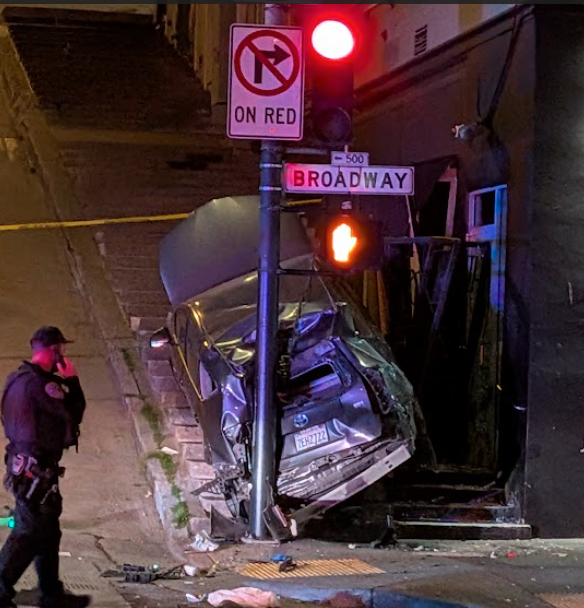
Motorist Careens onto North Beach Sidewalk, Killing Pedestrian
Driver kills pedestrian at another location where a safety project festered
The post Motorist Careens onto North Beach Sidewalk, Killing Pedestrian appeared first on Streetsblog San Francisco.