Don’t Judge Transit By the Gridlock on Nearby Roads

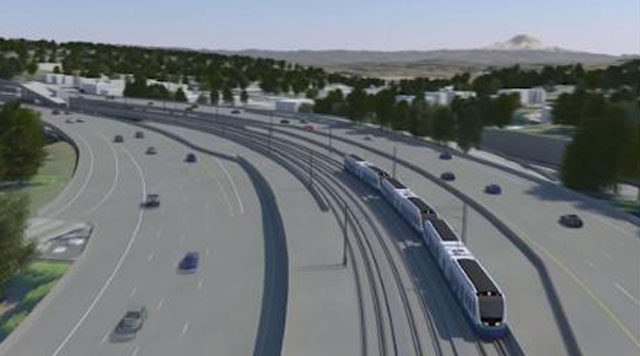
Sound Transit is beginning to build a light rail line between downtown Seattle and its booming eastern suburbs. It’s expected to eventually carry 50,000 riders each day. Parts of the route will run on highways, and the expectation is that the rail line will “[cut] down on the volume of motor traffic,” as Linda Poon wrote in a recent story on CityLab.
This is often how transit projects are framed — as congestion reducers — and that’s a problem, says The Urbanist’s Doug Trumm: “Congestion relief is how someone who does not actually ride light rail would likely define success, but the primary job of light rail is to serve transit users, not motorists.”
Instead, Trumm proposes five criteria for evaluating transit projects:
1. Does it save existing transit users time and improve the experience?
2. Does it attract new riders?
3. Does it empower better land use decisions and encourage walkability?
4. Does it reduce car dependency?
5. Does it create resiliency in the network?
Building light rail between downtown Seattle and its eastern suburbs does all of these things, he writes. It offers a massive speed upgrade to transit riders and provides an alternative to taking a car or bus across Lake Washington. Plus, the light rail line will encourage walkable development in the growing downtowns of Redmond and Bellevue.
Transit can be a success without making car trips faster. After all, even places with frequent, reliable, high-ridership transit systems still struggle with traffic, Trumm says. Unless the roads are priced to manage demand, traffic congestion won’t go away, with or without good transit.
More recommended reading today: Curbed has the latest on a plan for wider sidewalks and a protected bike lane on a mile-long street in Midtown Atlanta. BikePortland looks at how bicycle safety efforts take a wrong turn when they place the burden on bike riders, rather than fixing the dangerous streets that prevent more people from biking in the first place. And Stop and Move finds that Fresno’s promised “high-frequency” overnight bus service is leaving riders stranded.

Read More:
Streetsblog has migrated to a new comment system. New commenters can register directly in the comments section of any article. Returning commenters: your previous comments and display name have been preserved, but you'll need to reclaim your account by clicking "Forgot your password?" on the sign-in form, entering your email, and following the verification link to set a new password — this is required because passwords could not be carried over during the migration. For questions, contact tips@streetsblog.org.
More from Streetsblog USA
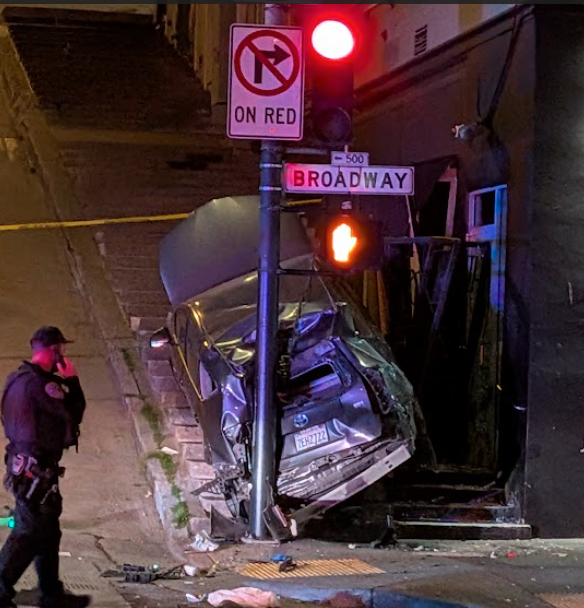
Motorist Careens onto North Beach Sidewalk, Killing Pedestrian
Driver kills pedestrian at another location where a safety project festered
The post Motorist Careens onto North Beach Sidewalk, Killing Pedestrian appeared first on Streetsblog San Francisco.