The 3 Essential Ingredients for Cooking Up Transit That People Want to Ride

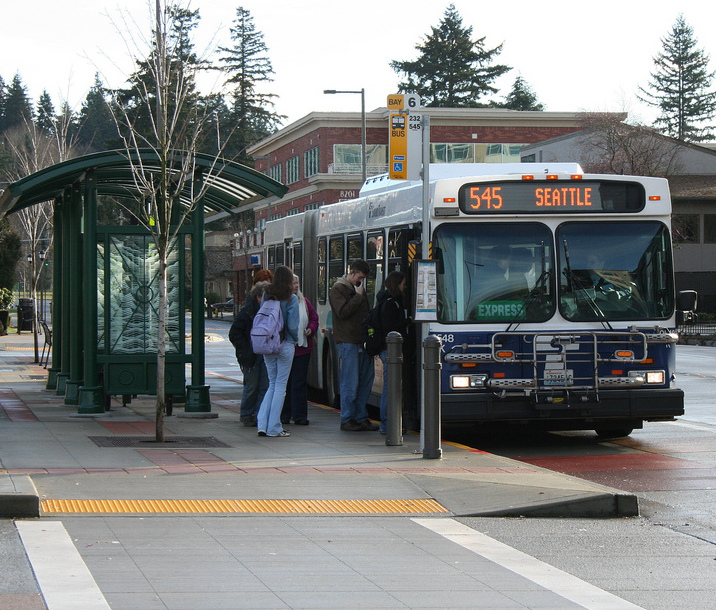
With so much transportation funding going toward highways, it’s tempting to support any transit investment as a step in the right direction. But not all transit investments will produce service that helps people get where they need to go. To make transit a useful travel option that people want to ride, says TransitCenter, there are three basic goals that officials and advocates should strive for.
Think of it as a recipe for a delicious transit cake. Every cake is different, but they all share some key ingredients. For transit, the three ingredients that make it work are speed, frequency and reliability, and walkability and accessibility.
The method of preparing each ingredient may vary, but it’s always important for transit service to include all three. Here’s how TransitCenter breaks down the recipe [PDF]:
Speed. Routes should be direct, instead of cutting labyrinthine paths across a city. Fare payment needs to be fast and easy, via off-board fare collection or tap-and-go entry at every door. Transit can’t get bogged down in traffic, either, so features like dedicated space on the street and priority at traffic lights are needed to keep things moving.
Frequency and Reliability. People won’t ride transit if they can’t depend on it. A network of routes that arrive at least every 15 minutes helps people know that a bus or train will be there when they need it, and gives them multiple route options in case there’s a problem with one. Accurate, real-time data published in app-friendly formats allows riders to get the information they need where and when they want it. And properly-managed dispatching can use this real-time data to keep transit evenly spaced, so riders won’t have long, unpredictable waits.
Walkability and Accessibility. Transit works best when people can walk to it. That means both concentrating transit in compact, walkable places, and making it easier to walk to transit in places where pedestrian infrastructure is lacking. That could entail adding bus shelters, painting crosswalks, and expanding pedestrian space in the short term, and lifting restrictions on new development near transit in the long term.
Keeping these three goals in mind can help keep everyone’s eye on the ball when thinking about transit. In this framework, questions don’t turn on the specific mode of travel but on how to make any given route more useful. A commuter rail line from the suburbs to downtown might have speed, for instance but lack frequency and walkability. Buses or streetcars that operate in mixed-traffic might be frequent or easy to walk to, but will probably struggle to attain acceptable speed and reliability.
Hitting all three marks is the key to creating “all-purpose” transit — a service that people use not just for occasional trips or commuting, but for all types of trips, all the time.

Read More:
Streetsblog has migrated to a new comment system. New commenters can register directly in the comments section of any article. Returning commenters: your previous comments and display name have been preserved, but you'll need to reclaim your account by clicking "Forgot your password?" on the sign-in form, entering your email, and following the verification link to set a new password — this is required because passwords could not be carried over during the migration. For questions, contact tips@streetsblog.org.
More from Streetsblog USA
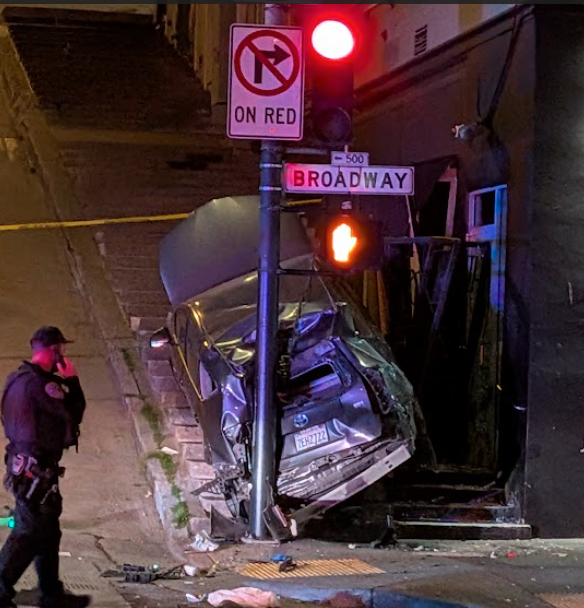
Motorist Careens onto North Beach Sidewalk, Killing Pedestrian
Driver kills pedestrian at another location where a safety project festered
The post Motorist Careens onto North Beach Sidewalk, Killing Pedestrian appeared first on Streetsblog San Francisco.