Flawed Environmental Laws Threaten to Preserve Parking and Block Housing
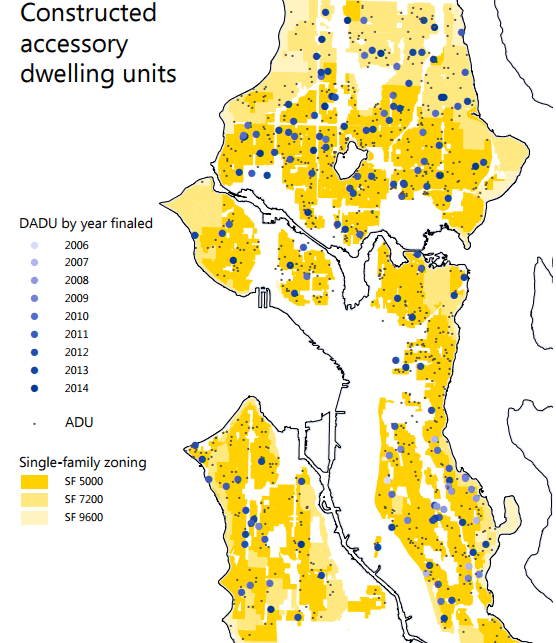
Seattle has a housing affordability problem, and there are serious institutional barriers to fixing it. Among the most substantial is the fact that most of the city is zoned exclusively for single-family housing.
Housing affordability advocates have been working on some common sense reforms, including one that would allow accessory dwelling units, like granny flats, in single-family neighborhoods.
But even that modest change is encountering resistance from some homeowners. And ironically they’re drawing strength from the state’s environmental laws.
Doug Trumm at The Urbanist reports:
The legal challenge to the ADU law was brought by Queen Anne Community Council board member and homeowner activist Marty Kaplan, who raised more than $25,000 from like-minded folks around the city to cover legal fees. (Josh Feit has good background here.) In addition to the transparency issues that ultimately seemed to tip the hearing examiner against the proposed law, Kaplan’s gripes included parking impacts and a convoluted argument that allowing one ADU and one [detached accessory dwelling unit] per lot might open up a development frenzy eating up “affordable” single-family homes in Seattle. Newsflash: single-family homes in Seattle are already not affordable to low and moderate earners.
Bizarrely, the logic of our parking industrial complex is baked into our environmental laws. Thus, preserving parking is misconstrued as an environmental asset, much to the chagrin of climate change activists who’d like to see fewer cars and fewer tailpipe and embodied car emissions rather than more.
In fact, environmentalists argue transit-rich cities like Seattle should lead in a societal transition away from car dependence. The environmental impact of a few more people parking on the street (apparently one third of ADU households if Portland is any guide) seems much less than paving more off-street parking spaces because of code requirements enabling bad environmental decisions. More parking spaces mean more impermeable surfaces, more runoff, and more induced demand for driving. There’s your environmental impact.
Elsewhere on the Network today: The Political Environment explains the push to digitally archive national climate change research now that Trump has appointed a climate science deniers to head up federal agencies. And Mobilizing the Region looks at how New Jersey Transit’s funding mechanisms set it apart — in a bad way — among the nation’s large transit agencies.

Read More:
Streetsblog has migrated to a new comment system. New commenters can register directly in the comments section of any article. Returning commenters: your previous comments and display name have been preserved, but you'll need to reclaim your account by clicking "Forgot your password?" on the sign-in form, entering your email, and following the verification link to set a new password — this is required because passwords could not be carried over during the migration. For questions, contact tips@streetsblog.org.
More from Streetsblog USA
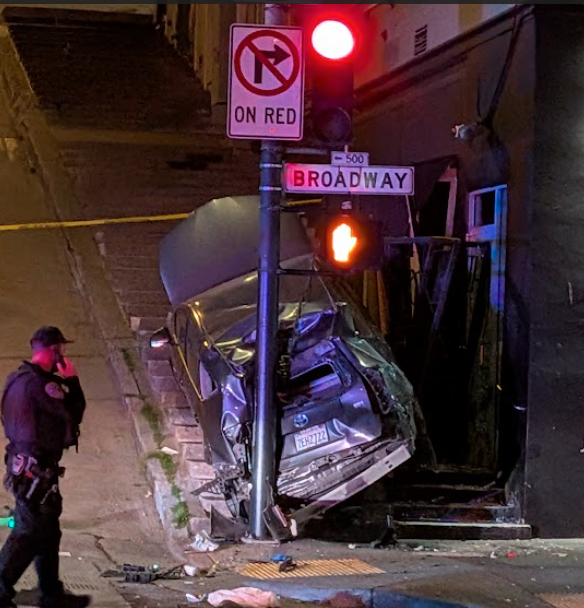
Motorist Careens onto North Beach Sidewalk, Killing Pedestrian
Driver kills pedestrian at another location where a safety project festered
The post Motorist Careens onto North Beach Sidewalk, Killing Pedestrian appeared first on Streetsblog San Francisco.