How the Accommodations We Make for Cars Impose Huge Costs on Cities

Wide highways, big parking lots, dangerous intersections designed for speed — there are a lot of downsides to all this car-centric infrastructure, including the way it saps the fiscal health of cities.
Bill Lindeke at Network blog Streets.mn lists seven, from the erosion of the local tax base due to land consumed for highways to public health costs in the form of chronic diseases caused by polluted air and sedentary lifestyles.
It’s not just the car traffic that costs cities, but the land devoted to storing cars as well, he writes:
From a strict assessment perspective, there’s nothing less valuable than a surface parking lot. (OK a nuclear waste dump would be worse…) But designing streets to privilege cars means you’ll almost always be building lots of surface parking, scattered in between older or newer core city buildings, around strip malls or industrial parks. Often this involves bulldozing old buildings where half the density has been replaced by parking…
The point is this: every time we pave over the old urban fabric to use it for car storage, we reduce the bottom-line for the city. Imagine what the tax rolls would look like if half or two-thirds of our urban parking lots were valuable buildings instead.
Elsewhere on the Network today: Transportation for America shares its transportation policy recommendations for the next president. Greater Greater Washington looks at the feasibility of building a gondola connecting Georgetown to D.C. Metro. And Bike Portland shows off the city’s new two-way protected bike lane, including a bicycle roundabout.

Read More:
Streetsblog has migrated to a new comment system. New commenters can register directly in the comments section of any article. Returning commenters: your previous comments and display name have been preserved, but you'll need to reclaim your account by clicking "Forgot your password?" on the sign-in form, entering your email, and following the verification link to set a new password — this is required because passwords could not be carried over during the migration. For questions, contact tips@streetsblog.org.
More from Streetsblog USA
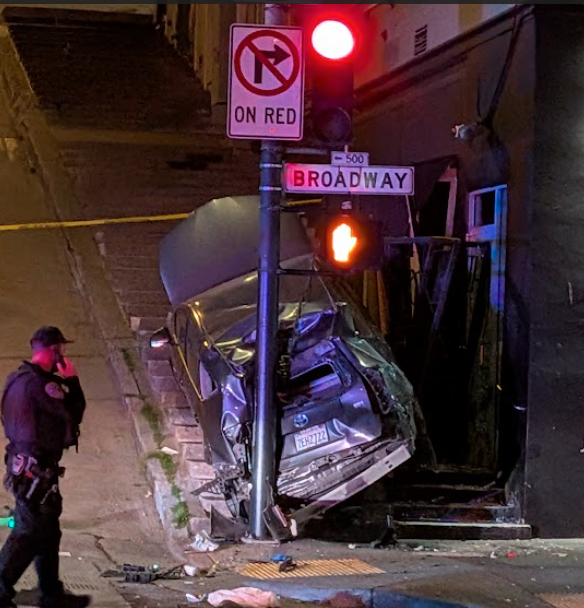
Motorist Careens onto North Beach Sidewalk, Killing Pedestrian
Driver kills pedestrian at another location where a safety project festered
The post Motorist Careens onto North Beach Sidewalk, Killing Pedestrian appeared first on Streetsblog San Francisco.