Carless Renters Forced to Pay $440 Million a Year for Parking They Don’t Use

Many residents of American cities can’t escape the high cost of parking, even if they don’t own cars. Thanks to policies like mandatory parking requirements and the practice of “bundling” parking with housing, carless renters pay $440 million each year for parking they don’t use, according to a new study by C.J. Gabbe and Gregory Pierce in the journal Housing Policy Debate.

The financial burden works out to an average of $621 annually per household, or a 13 percent rent premium — and it is concentrated among households that can least afford it. “Minimum parking standards create a major equity problem for carless households,” said Gabbe. “71 percent of renters without a car live in housing with at least one parking space included in their rent.”
Parking is typically bundled with rent, making the price of residential parking opaque. So Gabbe and Pierce set out to estimate how much people are actually paying for the parking that comes with their apartments.
Crunching Census data from a representative sample of more than 38,000 rental units in American urban areas, they isolated the relationship between parking provision and housing prices. They determined that on average, a garaged parking space adds about $1,700 per year in rent — a 17 percent premium.
Looking only at carless households, the average cost is $621 per year and the premium is 13 percent. On average these households earn about $24,000 annually, compared to $44,000 for the whole sample, and they get no value whatsoever out of the parking spaces bundled with their rent.
Gabbe and Pierce estimate that nationwide there are 708,000 households without a car renting an apartment with a garaged parking space, for a total cost burden of about $440 million per year due to unused parking.
So how can parking policy create fairer housing prices?
Gabbe and Pierce say cities should eliminate minimum parking requirements to make housing more affordable. Cities can also help by allowing and encouraging landlords to “unbundle” the cost of parking from the cost of rent — so people who don’t have cars aren’t forced to pay for parking spaces they don’t use.

Read More:
Support Streetsblog
Streetsblog has migrated to a new comment system. New commenters can register directly in the comments section of any article. Returning commenters: your previous comments and display name have been preserved, but you'll need to reclaim your account by clicking "Forgot your password?" on the sign-in form, entering your email, and following the verification link to set a new password — this is required because passwords could not be carried over during the migration. For questions, contact tips@streetsblog.org.
More from Streetsblog USA
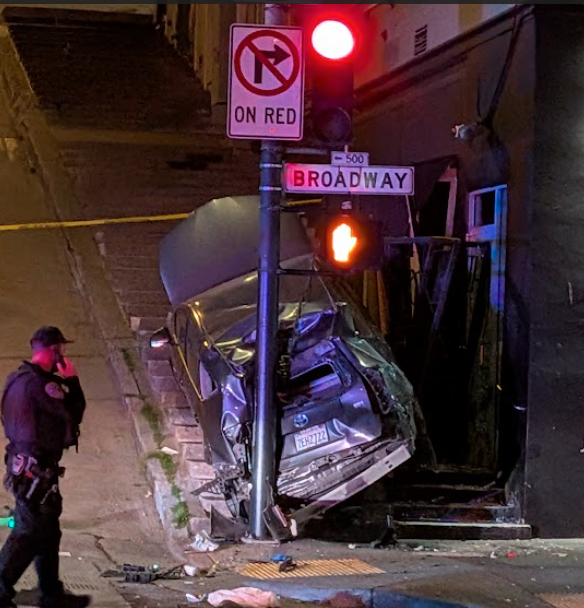
Motorist Careens onto North Beach Sidewalk, Killing Pedestrian
Driver kills pedestrian at another location where a safety project festered
The post Motorist Careens onto North Beach Sidewalk, Killing Pedestrian appeared first on Streetsblog San Francisco.