End of an Era? Detroit’s Suburban Power Broker Won’t Block Transit Vote

There was a time when Oakland County Executive Brooks Patterson could appeal to white racial anxiety and do lasting damage to the Detroit region. It almost happened again last week when Patterson and Macomb County Executive Mark Hackel nearly scuttled a vote on a regional transit tax that would fund a significant expansion bus and rail service.
Over the course of 40 years, 23 attempts to create a unified regional transit system had failed. Why would this time be any different?
Well, it’s looking more and more like the politics of the Detroit region have changed. Reversing course, Patterson and Hackel have reportedly reached an agreement to put the transit expansion measure before voters in November.
The details of their deal with other board members of the Detroit Regional Transit Authority haven’t been made public. But Patterson told the Detroit Free Press he is satisfied that his base of support in the affluent, sprawling northern Oakland County suburbs won’t be “left out.”
A lot is riding on this proposal. Detroit’s disconnected transit system, with separate suburban and urban networks, combined with the region’s notorious job sprawl, effectively puts job opportunities out of reach for many low-income Detroiters, compounding the region’s economic problems.
But there appears to be a broad consensus, finally, that the whole metro area will benefit from a stronger transit system. Patterson and Hackel’s reversal may be a sign that the suburban separatist tendencies that dominated local politics for so long have finally diminished.
Joel Batterman of the transit advocacy group Motor City Freedom Riders says he’s not sure the details of what Patterson and Hackel negotiated. But the important thing is the proposal can move forward.
“Anything that allows us to vote on a regional transit plan this November is a good thing,” he said. “The people of the region want regional transit.”

Streetsblog has migrated to a new comment system. New commenters can register directly in the comments section of any article. Returning commenters: your previous comments and display name have been preserved, but you'll need to reclaim your account by clicking "Forgot your password?" on the sign-in form, entering your email, and following the verification link to set a new password — this is required because passwords could not be carried over during the migration. For questions, contact tips@streetsblog.org.
More from Streetsblog USA
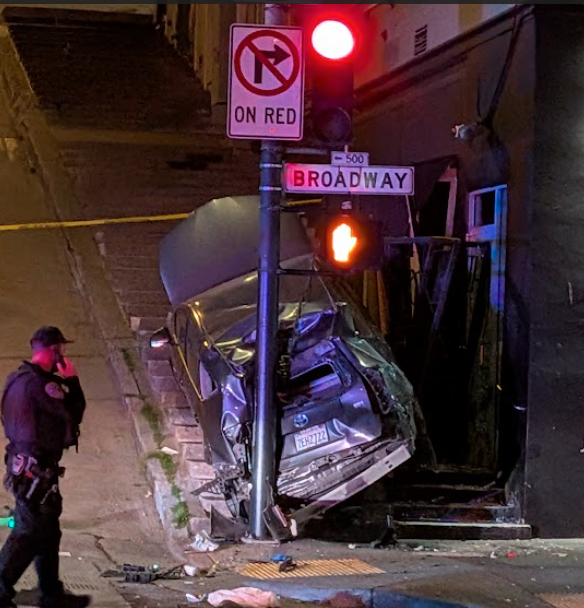
Motorist Careens onto North Beach Sidewalk, Killing Pedestrian
Driver kills pedestrian at another location where a safety project festered
The post Motorist Careens onto North Beach Sidewalk, Killing Pedestrian appeared first on Streetsblog San Francisco.