Philly Gets a Boost From U.S. DOT to Mend Neighborhoods Split By a Highway

Earlier this year Transportation Secretary Anthony Foxx said he wants to help repair the damage done to cities by highways. And this week U.S. DOT took some steps to make that happen, announcing the winners of its “Every Place Counts Design Challenge.”
The four chosen cities (out of 33 applicants) will get technical assistance from U.S. DOT to tear down or cap highways, or otherwise mend urban neighborhoods split apart by grade-separated roads. The winners are Spokane, Nashville, St. Paul, and Philadelphia.
Jim Saksa at Network blog Plan Philly explains how Philadelphia plans to use the process to begin heal the divides created by the Vine Street Expressway:
Philly’s prize: a two-day planning session hosted by U.S. DOT to imagine what Chinatown and Callowhill would look like without the Vine Street Expressway’s enervating interruption through the neighborhoods.
Winning planning sessions is far from federal funding for the untold millions of dollars it would take to significantly and dramatically improve I-676 by covering it and converting it into a tunnel. But planning would be the first step toward mitigating the decades-long negative impact the Expressway has had on Chinatown and Callowhill.
A cap is what the neighborhood wants, though, according to Philadelphia Chinatown Development Corporation (PCDC) Executive Director John Chin.
Saksa explains some of the history:
The Vine Street Expressway has long been a thorn in the side of Chinatown. When it was created fifty years ago, PCDC’s first major fight was to save the Holy Redeemer Chinese Catholic Church, which was slated for destruction during the highway’s construction. PCDC managed to get the highway’s planned location moved to save the church, but it still suffered the wound of a severed neighborhood.
Then, and for years after, the Expressway was a fight between the local communities, and transportation planners and traffic engineers, who were more focused on how many cars they could move than the impact on the urban landscape.
Hopefully these sessions will spark real momentum to heal the scars left by highways in these four cities and many others.
Elsewhere on the Network today: Renew ATL considers the challenges that Baby Boomers — the most suburban generation — will face as they age in places not designed with elderly people in mind. U.S. PIRG reports that states are forging ahead with highway boondoggles, including Florida’s Tampa Bay Express expansion project and I-77 in North Carolina. And Urban Review STL tests out and critiques Kansas City’s new streetcar.

Read More:
Streetsblog has migrated to a new comment system. New commenters can register directly in the comments section of any article. Returning commenters: your previous comments and display name have been preserved, but you'll need to reclaim your account by clicking "Forgot your password?" on the sign-in form, entering your email, and following the verification link to set a new password — this is required because passwords could not be carried over during the migration. For questions, contact tips@streetsblog.org.
More from Streetsblog USA
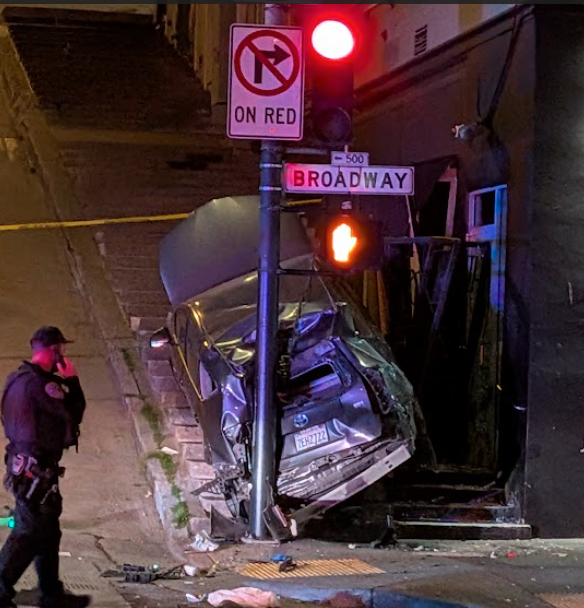
Motorist Careens onto North Beach Sidewalk, Killing Pedestrian
Driver kills pedestrian at another location where a safety project festered
The post Motorist Careens onto North Beach Sidewalk, Killing Pedestrian appeared first on Streetsblog San Francisco.