D.C. Poised to Strike Down Law That Blames Cyclists When They Are Struck
When cyclists and pedestrians are injured in traffic crashes in D.C., there’s a big legal obstacle standing in the way of justice. That obstacle is a legal standard called “contributory negligence.”

Now the City Council is poised to strike down that rule and replace it with the more widely used and fairer “comparative fault” standard, report Tracy Hadden Loh and Tamara Evans at the Washington Area Bicyclists Association. Loh explains how D.C.’s current law prevented her from seeking compensation when she really needed it:
In 2008, a driver in a minivan hit me (Tracy) when I was riding my bike on Connecticut Avenue, fracturing my pelvis in three places. The driver’s insurance company denied my claim because of a law that says if you’re even 1% at fault, you can’t collect anything. The good news? DC is moving to change this.
Currently, DC, Maryland, and Virginia use what’s called a pure contributory negligence standard to decide who pays what damages after a vehicle collision involving someone on bike or foot. I wrote about contributory negligence in 2014, but the basic thing you need to know is that under this standard, if the person is even 1% at fault for a collision, they can’t collect anything from the other party (or parties).
Insurance companies benefit from contributory negligence because it makes it very low risk to deny a claim, since the legal standard a court would apply is so broad.
Most people, however, agree that this standard is unfair — in fact, Alabama and North Carolina are the only states aside from those in our region not to have moved to an alternative legal standard that compares the fault of the parties and allocates responsibility to pay damages according to who was more to blame, known as comparative fault.
The D.C. legislation — the Motor Vehicle Collision Recovery Act of 2016 — cleared committee last month. It still needs to pass the City Council and receive approval from the mayor and Congress.
Elsewhere on the Network today: Mobility Lab considers how the D.C. area could use transportation demand management to mitigate the impact of Metro closures. Bike Portland reports nine — yes, nine! — protected bike lanes are in the works in that city. And The Political Environment reports that Wisconsin environmental officials are, not surprisingly, recommending that neighboring states approve sprawling Waukesha’s precedent-setting application to divert Great Lakes water.

Read More:
Streetsblog has migrated to a new comment system. New commenters can register directly in the comments section of any article. Returning commenters: your previous comments and display name have been preserved, but you'll need to reclaim your account by clicking "Forgot your password?" on the sign-in form, entering your email, and following the verification link to set a new password — this is required because passwords could not be carried over during the migration. For questions, contact tips@streetsblog.org.
More from Streetsblog USA
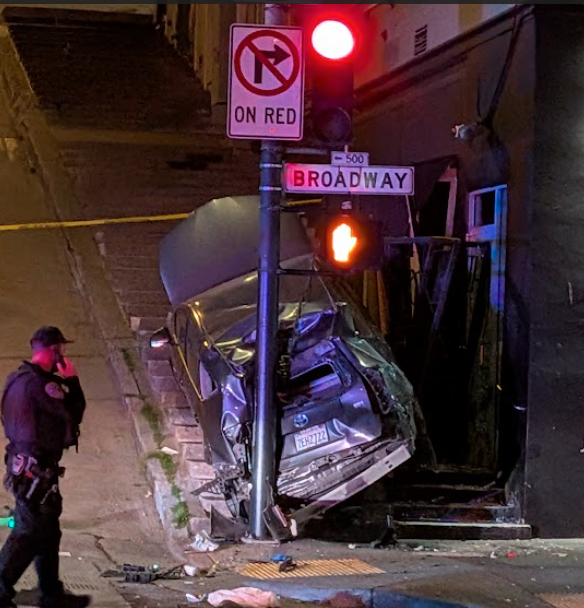
Motorist Careens onto North Beach Sidewalk, Killing Pedestrian
Driver kills pedestrian at another location where a safety project festered
The post Motorist Careens onto North Beach Sidewalk, Killing Pedestrian appeared first on Streetsblog San Francisco.