Zoning Reform Will Boost Housing Affordability and Walkability in D.C.
A change to D.C.’s zoning code will allow homeowners to build and rent out a basement apartment, or an apartment over the garage, without the long, expensive hassle of obtaining special permission.
Advocates in many high-rent cities, like Austin, have fought for this kind of legislation. It not only helps alleviate the housing crunch, it also creates better conditions for transit and a mix of uses as more people live closer together.

Emily Brown at Greater Greater Washington explains how this will work:
It used to be that to build a small apartment or detached building, called an accessory dwelling unit (ADU), onto the larger property a house sits on, homeowners in DC had to prove they needed it. Under DC’s new zoning code, they have the right to build them without seeking special permission.
An ADU could be a basement or attic apartment, or an apartment over a garage or small cottage in the backyard. The important thing is that you can rent an ADU to a tenant. Allowing ADUs to go up more freely is one of the biggest changes of the new zoning code.
In DC, households are shrinking from large families to singles or couples, while demand for housing is rising. Allowing homeowners to rent out parts of their property can help alleviate this demand, while providing income to offset the increasing cost of property.
Apartments have always been relatively easy for homeowners to add — consider the classic DC “English Basement.” Under the old zoning code they were allowed with a special exception, but now they are allowed by right in residential neighborhoods.
Elsewhere on the Network today: The Political Environment reports that environmental regulators continue to trim sprawl-inducing elements from the Milwaukee suburb of Waukesha’s application to divert Great Lakes water. The Urbanist critiques Seattle’s new long-term plan. And Streets.mn wonders if Minnesota will do its part to help the Twin Cities realize its vision for light rail.

Read More:
Streetsblog has migrated to a new comment system. New commenters can register directly in the comments section of any article. Returning commenters: your previous comments and display name have been preserved, but you'll need to reclaim your account by clicking "Forgot your password?" on the sign-in form, entering your email, and following the verification link to set a new password — this is required because passwords could not be carried over during the migration. For questions, contact tips@streetsblog.org.
More from Streetsblog USA
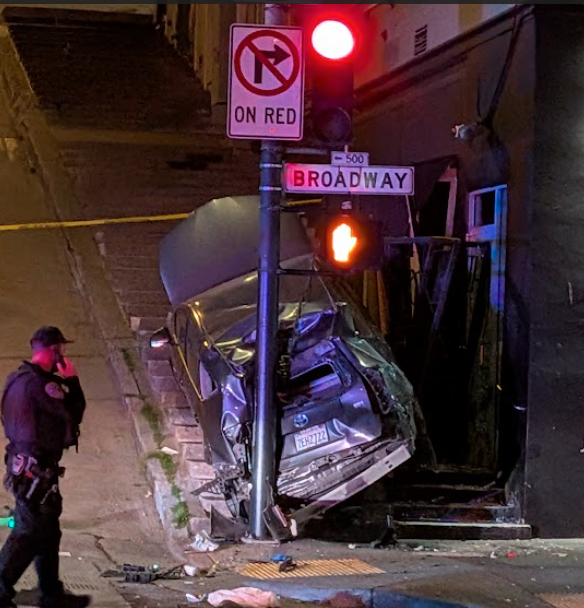
Motorist Careens onto North Beach Sidewalk, Killing Pedestrian
Driver kills pedestrian at another location where a safety project festered
The post Motorist Careens onto North Beach Sidewalk, Killing Pedestrian appeared first on Streetsblog San Francisco.