After Countings Cars for Ages, Dallas Starts to Count Walkers and Bikers
They say “what you measure is what you get,” and for the first time, the North Central Texas Council of Governments is measuring walking and biking activity in the Dallas region, reports Brandon Formby at the Dallas Morning News’ Transportation Blog.

It’s an important precedent for an agency that historically has concerned itself with the movement of cars. Planners hope to use pedestrian and bike counts to assess what makes some paths more heavily used than others, and how ped/bike infrastructure is affecting the broader transportation network, Formby writes:
Armed with a first-of-its-kind collection of data about Dallas-Fort Worth walking and biking trails, regional planners this month unveiled an emerging picture about which paths see the most use.
“If there’s a restaurant or a food truck or anything related to food, those seem to be the locations where we see the most counts,” said Karla Weaver, a program manager for the North Central Texas Council of Governments.
That planning agency last year used data from 26 mechanical counters in five cities to begin understanding where and when walkers, runners and bikers use trails. The agency wants to keep collecting data from additional spots so planners don’t have to rely on anecdotal evidence about trips North Texans make without a vehicle.
The idea is to provide better information to city officials and regional leaders who hold the purse strings for infrastructure projects. But Weaver said her agency is also beginning to study the land use around such trails to see what correlations there are between population density, economic development and path usage.
It’s a step in a different direction for an agency most known for helping highway planners predict future traffic patterns.
“We’ve been counting cars for decades,” Weaver said.
Elsewhere on the Network today: Straight Outta Suburbia makes the case for changing suburban zoning to allow for two homes per lot instead of just one. And Spacing Toronto looks back at how people reacted the first time a motorist struck and killed a pedestrian on the city’s streets, in 1905.

Read More:
Streetsblog has migrated to a new comment system. New commenters can register directly in the comments section of any article. Returning commenters: your previous comments and display name have been preserved, but you'll need to reclaim your account by clicking "Forgot your password?" on the sign-in form, entering your email, and following the verification link to set a new password — this is required because passwords could not be carried over during the migration. For questions, contact tips@streetsblog.org.
More from Streetsblog USA
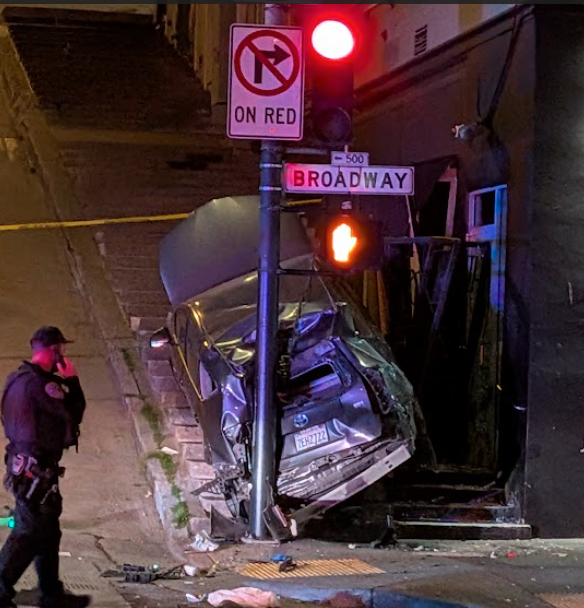
Motorist Careens onto North Beach Sidewalk, Killing Pedestrian
Driver kills pedestrian at another location where a safety project festered
The post Motorist Careens onto North Beach Sidewalk, Killing Pedestrian appeared first on Streetsblog San Francisco.