The Promise of Expanding Atlanta Transit Inside the City Limits
It looked like the Atlanta region’s ambitious transit plans might have been thwarted late last month when state lawmakers shot down a bill to allow Fulton, Clayton, and DeKalb counties to hold ballot measures potentially raising $8 billion to expand MARTA. But maybe that was a blessing in disguise.

Transit expansion plans for Atlanta are moving ahead again in a new form. City leaders have decided to go it alone with a ballot measure that would put a city-only sales tax increase for transit expansion to Atlanta voters. The bill enabling the referendum overwhelmingly passed the House last week. If the Senate and Governor Nathan Deal approve it, and it musters a majority vote in November, the tax would raise about $2.5 billion for transit in Atlanta over 40 years.
Fulton County, which includes Atlanta’s northern suburbs, may also get a chance to raise its own tax for transit. But here’s why an Atlanta-only transit measure could be even better than a combined one.
To be politically viable in Fulton County, a transit tax would have to pay for commuter rail to suburban Alpharetta, 27 miles north of the city. That project would be very car-oriented — picture park-and-ride lots serving a rail line running along Georgia 400 — and very expensive: about $2.5 billion to construct, according to Curbed Atlanta.
Instead of building transit to serve sprawling suburbs, an Atlanta-only measure can focus on putting transit in the densest areas, where it can serve more people and support walkable development.
It’s not clear which projects an Atlanta-only transit tax would support, but Mayor Kasim Reed has said the funding would go toward “a much larger light rail component,” which, unlike the struggling Atlanta streetcar, would be separated from traffic. Those projects are likely to include rail along the Atlanta Beltline — the ring of transit, trails, parks, and new development taking shape along defunct freight tracks encircling the city.

Streetsblog has migrated to a new comment system. New commenters can register directly in the comments section of any article. Returning commenters: your previous comments and display name have been preserved, but you'll need to reclaim your account by clicking "Forgot your password?" on the sign-in form, entering your email, and following the verification link to set a new password — this is required because passwords could not be carried over during the migration. For questions, contact tips@streetsblog.org.
More from Streetsblog USA
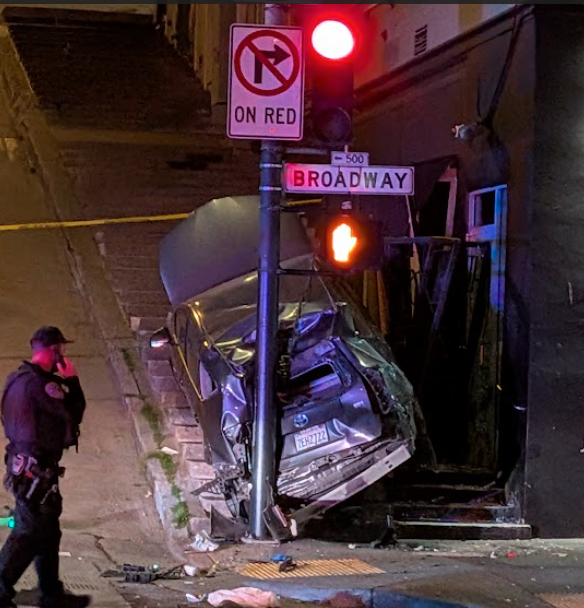
Motorist Careens onto North Beach Sidewalk, Killing Pedestrian
Driver kills pedestrian at another location where a safety project festered
The post Motorist Careens onto North Beach Sidewalk, Killing Pedestrian appeared first on Streetsblog San Francisco.