Enrique Peñalosa Back as Bogotá’s Mayor. Can He Do It Again?
After a 15-year hiatus, Enrique Peñalosa is beginning a new term as mayor of Bogotá, Colombia. Peñalosa’s leadership during his first three-year term has been a global inspiration for cities. His administration reclaimed sidewalks from cars, created dozens of miles of new bikeways, and launched TransMilenio, setting a new standard for high-capacity bus rapid transit.

Since he left office, TransMilenio has experienced some growing pains. In his new term, reports Dario Hidalgo at The City Fix, Peñalosa has ambitious plans to improve the BRT network, integrate it with rail, and provide Bogotá with the best transit system in the developing world. Oh, and he wants to double bicycling in the city. Hidalgo explains what he’s up against:
Is it possible to enable Bogota to beat Santiago, the city with the best public transport in the developing world? It’s certainly possible. The heads of the city’s transformation are technically savvy people who are in love with the city and committed to its improvement, and Bogota has a solid foundation on which to begin moving forward.
And while the portfolio of necessary changes is large, city planners know what must be done: integrate Transmilenio with the First Line Metro, recover and expand Caracas Avenue and the North Freeway (as it was originally planned in 2010) and strengthen the priority lanes of the public bus system. TransMilenio also needs operational reengineering, such as the simplification of routes, and new zonal services for SITP; one option is to change lengthy routes through an integrated scheme of neighborhood and urban services. All this should be accompanied with a renewed civic culture and additional policing. Special attention should also be paid to fleet replacement and the financial difficulties of the operators.
The primary challenge is financing. A preliminary estimate indicates that Bogotá needs 40 to 60 billion Colombian pesos (USD 13-20 billion) to advance a broad portfolio of investments and to update the road network. Taking into account currently available resources, including a contribution from the national government for mass transport of 9.65 billion pesos (USD 3.22 billion), the government still needs between 20 and 30 billion pesos (~7.10 billion USD).
The right path, according to the mayor, is to acquire funds from the users of private vehicles. For example, the Mayor spoke of access fees for private vehicles, which has been rejected by the local council seven times. Another option is to draw upon real estate value. However, even with new sources of income for the projects, the city must recognize that the gap is large, and realizing these aspirations will call for participation from the private sector.
Elsewhere on the Network today: The Global Grid explains the influence of “Latino urbanism” in Los Angeles. Greater Greater Washington says it’s outrageous for D.C. to be punishing pedestrians for walking in the street if the city won’t insist on clear sidewalks. And The Urbanist explains what lessons Seattle should draw from its experience with the newly opened First Hill Streetcar.

Read More:
Streetsblog has migrated to a new comment system. New commenters can register directly in the comments section of any article. Returning commenters: your previous comments and display name have been preserved, but you'll need to reclaim your account by clicking "Forgot your password?" on the sign-in form, entering your email, and following the verification link to set a new password — this is required because passwords could not be carried over during the migration. For questions, contact tips@streetsblog.org.
More from Streetsblog USA
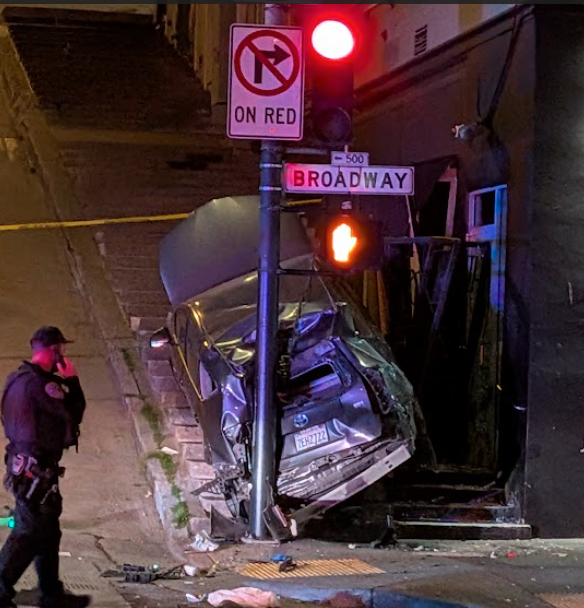
Motorist Careens onto North Beach Sidewalk, Killing Pedestrian
Driver kills pedestrian at another location where a safety project festered
The post Motorist Careens onto North Beach Sidewalk, Killing Pedestrian appeared first on Streetsblog San Francisco.