Texas DOT Isn’t Learning From Its Horrific Road Fatalities Calendar

This calendar is published by the Texas Department of Transportation as part of its traffic safety efforts. It shows how many fatal collisions and traffic deaths happened every day of the year. On average, someone is killed every two and a half hours on Texas streets, and someone is injured every two minutes, according to TxDOT [PDF].
Texas hasn’t had a day without a traffic fatality in more than 15 years. In that time, more than 50,000 people have been killed on Texas roads — an absolutely staggering number. By comparison, California, with a population 44 percent larger, has nearly 300 fewer traffic deaths per year. (The safest state, Massachusetts, has a per capita traffic fatality rate nearly 60 percent lower than Texas’s.)
State officials in Texas attribute the problem to drunk driving and failure to use seat belts — not any shortcoming in their own work. Just one day without a traffic fatality is the agency’s depressingly unambitious goal: #EndTheStreak, they call it. TxDOT’s strategy seems to consist mainly of using Twitter and PSAs to reach drivers.
What if, instead of #EndTheStreak, Texas state transportation officials got serious about ending traffic fatalities altogether? What if they launched a statewide Vision Zero campaign?
A concerted effort to reduce traffic deaths would have to involve solutions much more substantial than PSAs. It would require an entire rethinking of the state’s transportation policies.
A growing number of American cities are adopting Vision Zero goals and laying out plans to fix their dangerously designed streets — making more room for walking and biking while taming speeding traffic. The idea is gaining momentum in Texas cities too.
TxDOT’s #EndTheStreak campaign clearly isn’t getting the job done. Statewide traffic deaths increased 3.7 percent in 2014 compared to the year before [PDF]. Without a fundamental paradigm shift, there’s no reason to expect this year’s calendar will be any different.
Hat Tip: Kostelec Planning

Read More:
Streetsblog has migrated to a new comment system. New commenters can register directly in the comments section of any article. Returning commenters: your previous comments and display name have been preserved, but you'll need to reclaim your account by clicking "Forgot your password?" on the sign-in form, entering your email, and following the verification link to set a new password — this is required because passwords could not be carried over during the migration. For questions, contact tips@streetsblog.org.
More from Streetsblog USA
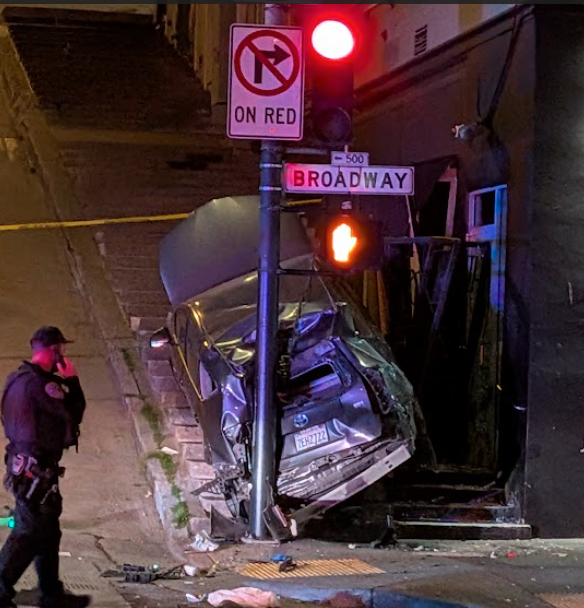
Motorist Careens onto North Beach Sidewalk, Killing Pedestrian
Driver kills pedestrian at another location where a safety project festered
The post Motorist Careens onto North Beach Sidewalk, Killing Pedestrian appeared first on Streetsblog San Francisco.