D.C. to Pilot Protected Intersections as Part of Vision Zero Effort

Yesterday, Washington DC officials released the city’s Vision Zero plan [PDF], which aims to eliminate traffic fatalities within the District by 2024. It came with a good deal of analysis highlighting where the most dangerous places in the city are.
David Alpert at Greater Greater Washington has the recap of what the city will do to improve safety:
More than half of pedestrian and bicycle deaths happened in the 15 high-crash corridors in this map. (Much of the traveling happens there too, so this isn’t a huge surprise). But these identify places where changes could have the most impact.
The report lists a lot of strategies to reduce and eliminate road deaths. You can read them all in the report, but here are a few highlights:
- Fill sidewalk gaps on 40 blocks.
- “Install or upgrade” 20 miles of bike lanes and bikeways. At least five miles would be protected bikeways.
- Build two “protected intersections” as a pilot project. This concept was proposed for New Jersey Avenue and M Street, but wasn’t put into effect.
- Create an Urban Design Unit in the Office of Planning. Have it redesign some dangerous public spaces to be safer and also more inviting.
- Pilot some lower speed limits, including two major streets with 25 mph limits, two neighborhoods with 20 mph limits, and some 15-mph limits around schools and other spots with youth and seniors.
- Revise the manual engineers use to design streets so that it mandates designs that accommodate all users, not just cars. There would also be a Complete Streets law requiring this. Mandate that a road’s “design speed” as well as the speed limit are right to ensure the street is safe, rather than designing a fast street and posting a low speed limit.
- Organize some “hackathons” to get residents engaged in analyzing safety data and devising solutions.
Elsewhere on the Network today: Carfree Austin compares the volume of impervious pavement in different types of development in Austin. And Transit Columbus details the city’s plan to overhaul its bus system to increase frequent service.

Read More:
Streetsblog has migrated to a new comment system. New commenters can register directly in the comments section of any article. Returning commenters: your previous comments and display name have been preserved, but you'll need to reclaim your account by clicking "Forgot your password?" on the sign-in form, entering your email, and following the verification link to set a new password — this is required because passwords could not be carried over during the migration. For questions, contact tips@streetsblog.org.
More from Streetsblog USA
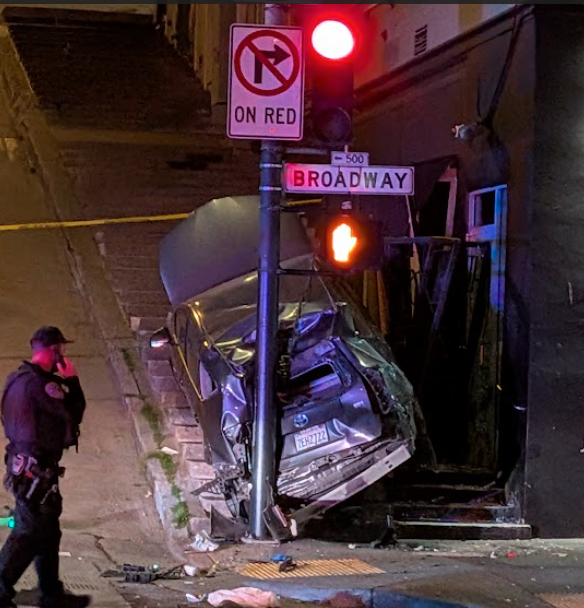
Motorist Careens onto North Beach Sidewalk, Killing Pedestrian
Driver kills pedestrian at another location where a safety project festered
The post Motorist Careens onto North Beach Sidewalk, Killing Pedestrian appeared first on Streetsblog San Francisco.