There’s a Nod to Complete Streets in the House Transportation Bill
Let’s be clear: The House transportation bill would be a big step backward for federal transportation policy. But it does include some ideas worth cultivating, including a nod to the idea that road projects should take walking, biking, transit, and access for people with disabilities into account. The problem is that the provision has no muscle behind it.

When the House Transportation and Infrastructure Committee marked up its six-year transportation bill last week, an amendment put forward by Carlos Curbelo (R-Miami) and Dina Titus (D-Las Vegas) — the Safe Streets Amendment — was included, without modifications, as part of the “manager’s package.” That means Committee Chair Bill Shuster (R-Pennsylvania) accepted the amendment without a floor vote — a sign that it is relatively uncontroversial.
Of course, there’s no reason to object to an amendment that won’t have much of an effect on policy, and that seems to be the case here. Emiko Atherton of the National Complete Streets Coalition says the language in the House bill [PDF] isn’t as strong as the complete streets amendment added to the Senate transportation bill [PDF].
The House version says only that the U.S. secretary of transportation shall “encourage” states and metropolitan planning organizations to adopt standards for safe accommodation of all road users — meaning not just people in cars. The more robust Senate version instructs that states and MPOs “shall” adopt standards for accommodating all users.
“If the Secretary is encouraging states to establish [complete streets] standards, it’s going to encourage some states to do it,” said Atherton. “There will be some states or MPOs who don’t see it as a priority. And they might be like, ‘That’s really great but we don’t have to do this.'”
Atherton said she appreciates the sponsors of the House amendment but that if both bills reach conference committee, the National Complete Streets Coalition will be working to ensure that the language from the Senate’s version makes it into the final bill.

Read More:
Streetsblog has migrated to a new comment system. New commenters can register directly in the comments section of any article. Returning commenters: your previous comments and display name have been preserved, but you'll need to reclaim your account by clicking "Forgot your password?" on the sign-in form, entering your email, and following the verification link to set a new password — this is required because passwords could not be carried over during the migration. For questions, contact tips@streetsblog.org.
More from Streetsblog USA
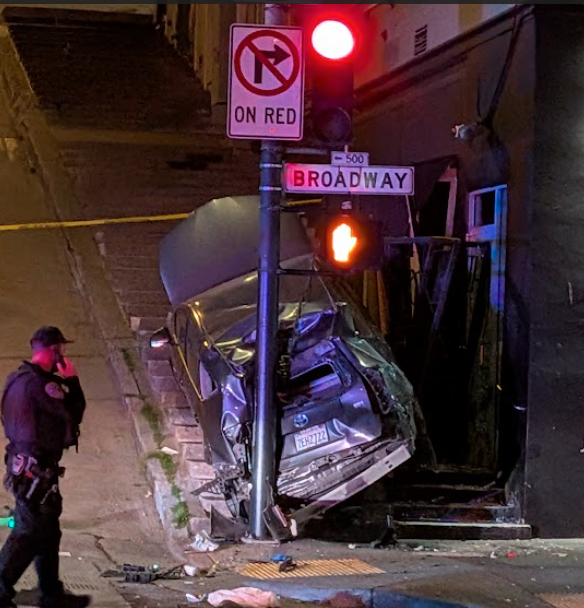
Motorist Careens onto North Beach Sidewalk, Killing Pedestrian
Driver kills pedestrian at another location where a safety project festered
The post Motorist Careens onto North Beach Sidewalk, Killing Pedestrian appeared first on Streetsblog San Francisco.