Advocates Prevail Over Road Diet Ban in North Carolina
Advocates for safer streets in North Carolina have beaten back an attempt to outlaw street designs that put people first.

A provision inserted by state senators Trudy Wade and Andrew Brock would have forbidden road diets in North Carolina cities under certain circumstances. The amendment threatened to outlaw what are some of the most successful examples of traffic-calming and pedestrian-oriented street design in the Tar Heel state.
In response, advocates like Lisa Riegel of Bike Walk NC built a broad coalition to help educate state lawmakers about why the bill was not only unnecessary but harmful. Riegel worked with the American Heart Association, the YMCA, and local bike advocacy groups for three months to get the anti-road diet provision stripped out.
“We had health advocates, we had cycling advocates, we had cities saying how this would negatively impact projects they have for economic development,” she said.
Local officials pointed to the economic benefits of projects like Raleigh’s Hillsborough Street (above) and Asheville’s College Avenue. That convinced members of the House of Representatives like Chuck McGrady, Donny Lambeth, and Paul Stam to lead the charge to abandon the measure in conference committee, Riegel said. They succeeded.
It was still a troubling legislative session in North Carolina, where a secretive, last-minute provision was inserted into the state budget to undermine locally supported plans for light rail between Orange and Durham counties. But it’s encouraging to see that when an issue like street design got an airing with lawmakers, they listened to people and stopped a bad idea from gaining traction.
“Some believe that transportation means cars,” said Riegel. “In today’s world of Millennials and senior citizens, there’s a need for many transportation options. We need to better communicate that desire by talent and business leaders and seniors and our lower income population that may not be able to afford a car.”

Read More:
Streetsblog has migrated to a new comment system. New commenters can register directly in the comments section of any article. Returning commenters: your previous comments and display name have been preserved, but you'll need to reclaim your account by clicking "Forgot your password?" on the sign-in form, entering your email, and following the verification link to set a new password — this is required because passwords could not be carried over during the migration. For questions, contact tips@streetsblog.org.
More from Streetsblog USA
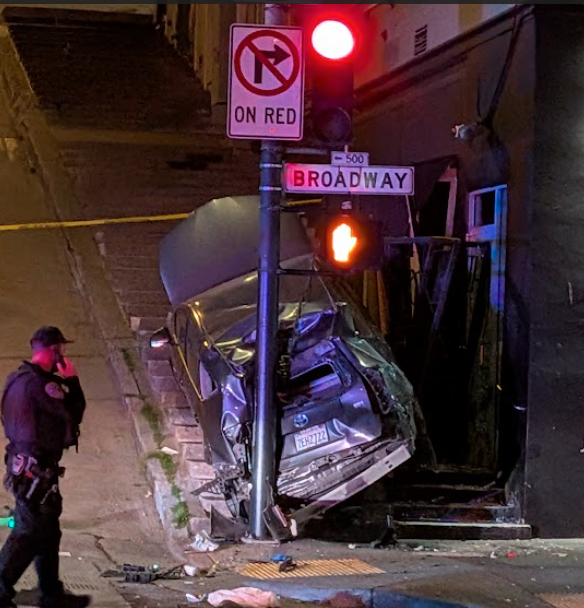
Motorist Careens onto North Beach Sidewalk, Killing Pedestrian
Driver kills pedestrian at another location where a safety project festered
The post Motorist Careens onto North Beach Sidewalk, Killing Pedestrian appeared first on Streetsblog San Francisco.