Playable Cities Are Livable Cities

Play is so important to kids’ physical, mental, and social development that the United Nations considers it a human right. But not all cities fulfill these rights equally.

What the nonprofit KaBOOM! calls a playful or playable city, others might call simply a kid-friendly city. While suburbs get most of the glory for having space to play, public outdoor play spaces are even more important in cities where families have little or no yard of their own to play in.
KaBOOM! recognized 10 “playful” cities this week, many of which found success at making their neighborhoods healthier and more dynamic by coupling play with safe streets and sustainable transportation.
Brownsville, Texas, extended their Ciclovia into underserved neighborhoods this year, reportedly attracting 10,000 people. Ottawa, Kansas, is installing play pods along the Prairie Spirit rail-trail. Charlotte, North Carolina, is installing playful art along every stop of the Lynx light rail system. Thomasville, Georgia, installed hopscotch, balance lines, and other activities at bus stops. And Baltimore is targeting vacant lots for resurrection as play spaces — and hosts one of the most joyful bike-centered events on the planet, the Kinetic Sculpture Race, which took place just last weekend.
Other cities recognized by KaBOOM! were Chicago; Pittsburgh; Columbus, Georgia; Flint, Michigan; Greenville, South Carolina; and Bismarck, North Dakota.
Play spaces aren’t just for kids. They can also be for farmers markets, performances, and neighborhood gatherings that inject public life into abandoned or underused places.
KaBOOM! President James Siegal also cautioned against positioning playability as “a competitive advantage for cities to attract and retain the creative class; particularly young college educated professionals” — a rationale often cited for bikeability. While he said that cities will continue to lose those professionals as they have kids if they don’t pay attention to play, he also hinted that if cities have only “the creative class” in mind, they risk losing sight of what he considers the primary mission of urban playability: making cities more equitable.

Read More:
Streetsblog has migrated to a new comment system. New commenters can register directly in the comments section of any article. Returning commenters: your previous comments and display name have been preserved, but you'll need to reclaim your account by clicking "Forgot your password?" on the sign-in form, entering your email, and following the verification link to set a new password — this is required because passwords could not be carried over during the migration. For questions, contact tips@streetsblog.org.
More from Streetsblog USA
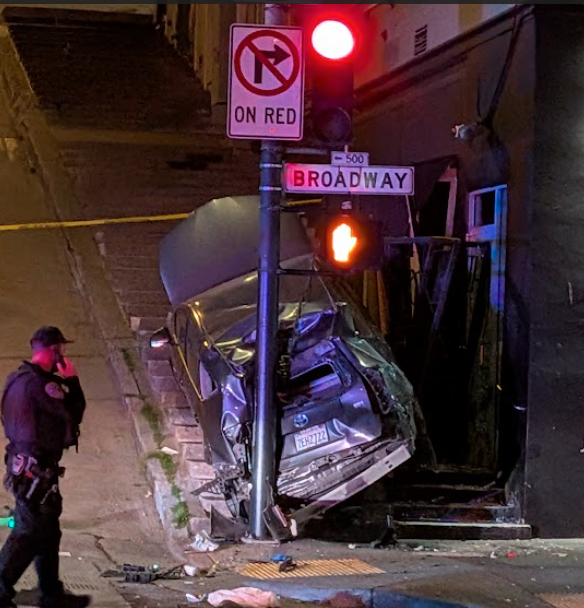
Motorist Careens onto North Beach Sidewalk, Killing Pedestrian
Driver kills pedestrian at another location where a safety project festered
The post Motorist Careens onto North Beach Sidewalk, Killing Pedestrian appeared first on Streetsblog San Francisco.