Minneapolis May Drop Parking Minimums Near Transit


Whether you own a car or not, if you live in a city, there’s a good chance you pay for parking. Building parking spots is expensive, but most cities require developers to build a certain amount of parking per residence, driving up the cost of housing.
Nick Magrino at Streets.mn reports that Minneapolis is rethinking that approach, and may drop parking minimums for residential developments near bus and rail stations.
Since the 1960s, the City of Minneapolis has required off-street parking for new residential buildings. There are recently enacted exceptions in downtown and university area neighborhoods, but the current requirement across most of the city is one parking space per unit. A great deal of the city was built before the 1960s, and much of it is still there — that area is grandfathered in. You can’t build a neighborhood like Loring Park or Stevens Square anymore. Much of the current, subtle density of South Minneapolis would be unbuildable as of right.
Next week, the Minneapolis City Planning Commission will be considering a proposal to reduce or eliminate off-street parking requirements for residential developments along bus and rail transit lines. This proposal would eliminate all minimum off-street parking requirements for residential developments very close to high-frequency transit stops.
Magrino says the proposed changes have the potential to foster new walkable development. “Reducing minimum off-street parking requirements along transit routes would test the market for buildings similar to what we have and already like all across the city,” he writes. “The proposed changes don’t compel anyone to build a project a certain way, they just give builders the option.”
Also on the Network today: Twin City Sidewalks on the false choice between successful businesses and bike infrastructure; TheCityFix reports that Google has created a new company to “improve” cities; and People for Bikes says Birmingham, Alabama, will be the first city in North America to use electric-assist bike-share bikes.

Read More:
Streetsblog has migrated to a new comment system. New commenters can register directly in the comments section of any article. Returning commenters: your previous comments and display name have been preserved, but you'll need to reclaim your account by clicking "Forgot your password?" on the sign-in form, entering your email, and following the verification link to set a new password — this is required because passwords could not be carried over during the migration. For questions, contact tips@streetsblog.org.
More from Streetsblog USA
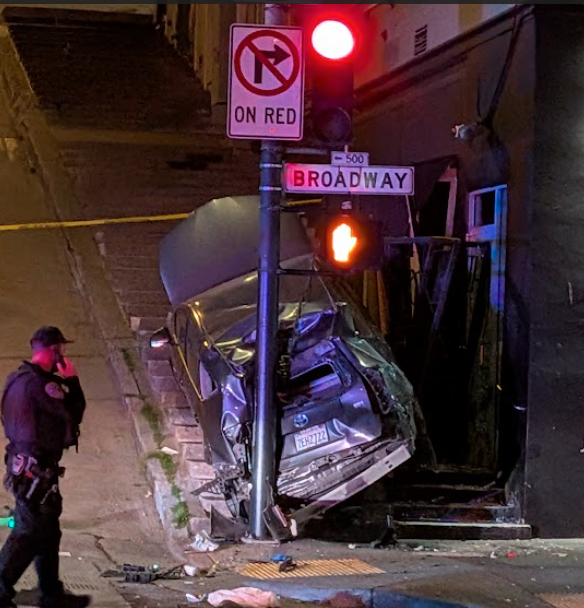
Motorist Careens onto North Beach Sidewalk, Killing Pedestrian
Driver kills pedestrian at another location where a safety project festered
The post Motorist Careens onto North Beach Sidewalk, Killing Pedestrian appeared first on Streetsblog San Francisco.