Virginia’s Chance to Improve Commutes Without Building More Roads

A Virginia state agency is weighing how to allocate new transportation funds, presenting an opportunity for the state to do more than widen and build roads.

David Alpert at Greater Greater Washington reports that the Commonwealth Transportation Board is developing a formula to allocate funds approved by the state legislature in 2013. Though a new state law requires the CTB to balance “congestion mitigation, economic development, accessibility, safety, environmental quality and land use, and transportation coordination,” Alpert says the board is being pressured to prioritize congestion reduction — that is, to make highway travel faster by expanding and adding roadways.
The problem is speeding highway travel doesn’t automatically reduce commute times, writes Alpert.
Consider two hypothetical cities. In Denseopolis, people live within 2 miles of work on average, but the roads are fairly clogged and drivers can only go about 20 miles per hour. However, it only takes an average of 6 minutes to get to work, which isn’t bad.
On the other hand, in Sprawlville, people live about 30 miles from work on average, but there are lots and lots of fast-moving freeways, so people can drive 60 mph. That means it takes 30 minutes to get to work.
Which city is more congested? … Denseopolis. But it’s the people of Sprawlville who spend more time commuting, and thus have less time to be with their families and for recreation.
“People might say they want their roads to be uncongested, but really they mean they want their travel to be easier,” Alpert says. In addition, new traffic lanes lead to induced demand. Writes Alpert: “[T]raffic models still undercount the extent a newly faster road will just entice people to move somewhere that requires driving on it, adding traffic back in.”
The state DOT has proposed that congestion mitigation account for 35 percent of the scoring system, ahead of job accessibility — whether a project helps people get to work in under 45 minutes — safety, economic development, environmental quality, and other factors. But Alpert says that’s not enough for the “congestion crowd.” Alpert encourages people who live in Virginia to email the Northern Virginia Transportation Authority and ask that congestion mitigation be weighted at 35 percent or less.
Elsewhere on the Network today: Urban Cincy says Cincinnati could improve mobility by building smaller, less expensive, multi-modal bridges; and Seattle Bike Blog reports on a city plan for a major bike-share expansion.

Read More:
Streetsblog has migrated to a new comment system. New commenters can register directly in the comments section of any article. Returning commenters: your previous comments and display name have been preserved, but you'll need to reclaim your account by clicking "Forgot your password?" on the sign-in form, entering your email, and following the verification link to set a new password — this is required because passwords could not be carried over during the migration. For questions, contact tips@streetsblog.org.
More from Streetsblog USA
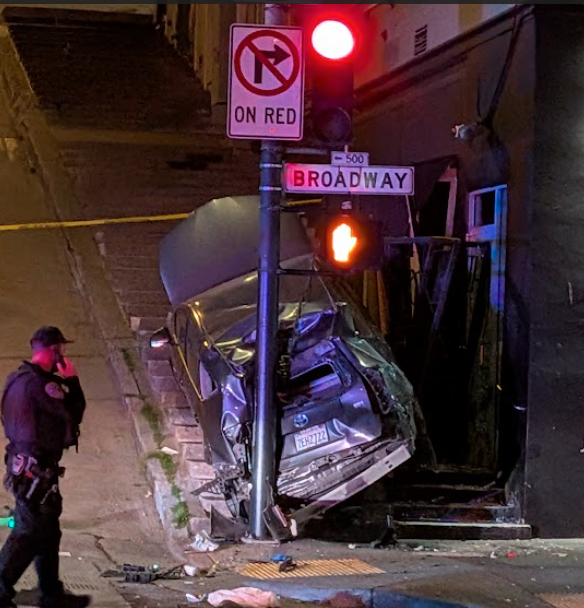
Motorist Careens onto North Beach Sidewalk, Killing Pedestrian
Driver kills pedestrian at another location where a safety project festered
The post Motorist Careens onto North Beach Sidewalk, Killing Pedestrian appeared first on Streetsblog San Francisco.