Like Great Transit, a Compact City Gives People Freedom

The Congress for New Urbanism has posted a video of Jarrett Walker (of Human Transit fame) delivering a new presentation, “Learning the Language of Transit.” There’s a passage where Walker frames transit as not simply a mode of transportation, but a means to access your city and, ultimately, the freedom and opportunity to do the things you want.
Inspired by Walker’s talk, Dan Keshet at Network blog Austin on Your Feet says the same rationale applies to building a compact city:
Access here is the stuff of life. Can I get to that job interview on time? Can I get home from work in time to see a movie? Can I meet my friends for dinner? Does this okcupid match live close enough to make dating possible? When my daughter asks to play on the traveling soccer team, can she get to practice?
The context of Walker’s talk is public transportation network design. But access is just as much an issue in land use — what buildings, parks, roads, etc get built where. Whether you’re driving, riding, walking, biking, ubering, or whatever, the basic fact is that you can reach more destinations in the same amount of time when those destinations are close together. And more destinations means more opportunities — whether that’s opportunities to work, to learn, to shop, or to meet people. This was the basic lesson I took from living my own life in different parts of Boston.
This shouldn’t be a complicated or counterintuitive concept. Even with a car, traveling from one end of Austin to another is already quite a daunting trip to make more than occasionally. The more people Austin gets, the more destinations there will be — economic, cultural, or otherwise. But the more we spread out, the less access new and old residents will have to each other and to the destinations we create. We are foreclosing options by where we build.
Elsewhere on the Network: Systemic Failure shares five factoids from the IMF about the staggering scale of global fossil fuel subsidies — $5 trillion annually. And the Wash Cycle has some ideas about Capital Bikeshare can get subscribers to rebalance bikes.

Read More:
Streetsblog has migrated to a new comment system. New commenters can register directly in the comments section of any article. Returning commenters: your previous comments and display name have been preserved, but you'll need to reclaim your account by clicking "Forgot your password?" on the sign-in form, entering your email, and following the verification link to set a new password — this is required because passwords could not be carried over during the migration. For questions, contact tips@streetsblog.org.
More from Streetsblog USA
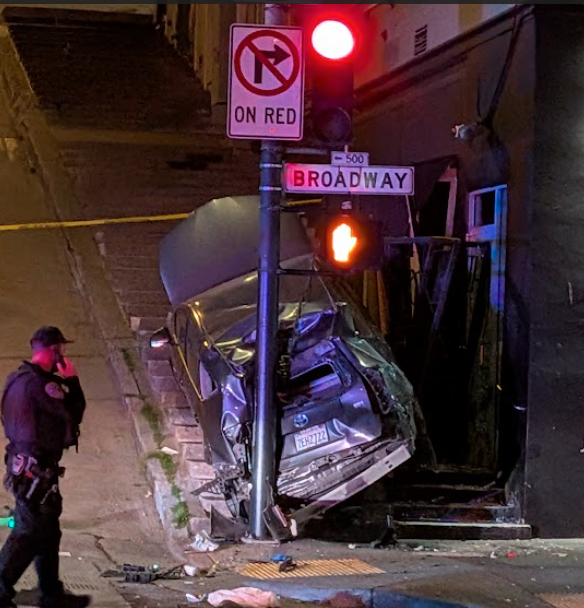
Motorist Careens onto North Beach Sidewalk, Killing Pedestrian
Driver kills pedestrian at another location where a safety project festered
The post Motorist Careens onto North Beach Sidewalk, Killing Pedestrian appeared first on Streetsblog San Francisco.