Too Many Cities Make Their Most Valuable Land Worthless

This image of downtown Memphis caught the eye of Charles Marohn at Strong Towns. A parking wasteland topped by a tangle of highway spaghetti, it was taken, perfectly enough, from the Bass Pro Shop that now occupies the top of the Memphis Pyramid.
So many cities have done the same as Memphis: take some of their most valuable land and make it worthless. Marohn writes:
On the left you have the city with all its people, businesses, hopes and dreams. On the right, you have the great natural resource of the Mississippi River and all its potential to enhance the prosperity of the community. In between, you have the wealth of the community — yesterday’s wealth, today’s wealth and tomorrow’s wealth — dedicated to moving cars and storing cars, culminating in the hundreds of millions of dollars of subsidy for the pyramid-shaped retail outlet from which the photo is taken.
What you see in this photo is the most valuable land in the city. There is no clearer explanation for why our cities are going broke than to see how this valuable resource has been squandered. There is no return here. No wealth. Just massive, ongoing expense passed from generation to generation.
This also explains why a great city like Memphis would feel compelled to gamble with hundreds of millions of dollars of taxpayer money instead of making small, incremental, low-risk investments in their core neighborhoods. They feel a desperate need to make up for the fact that their most valuable land produces nothing but expenses. That’s an impossibly high burden they’ve placed on themselves.
If you want your city to be wealthy and prosperous, stop obsessing about cars and start obsessing about your people, your community’s wealth and the taxpayer’s return-on-investment.
Elsewhere on the Network today: GJEL Accident Attorneys reports that Oakland city officials have reprogrammed traffic lights at key intersections in such a way that many now take more than two minutes to cross on foot. Urban Milwaukee says historic tax credits are on the chopping block in Wisconsin and explains why that would be a very bad thing for cities. And ATL Urbanist imagines what it would be like if we designed our houses the way we design cities.

Read More:
Streetsblog has migrated to a new comment system. New commenters can register directly in the comments section of any article. Returning commenters: your previous comments and display name have been preserved, but you'll need to reclaim your account by clicking "Forgot your password?" on the sign-in form, entering your email, and following the verification link to set a new password — this is required because passwords could not be carried over during the migration. For questions, contact tips@streetsblog.org.
More from Streetsblog USA
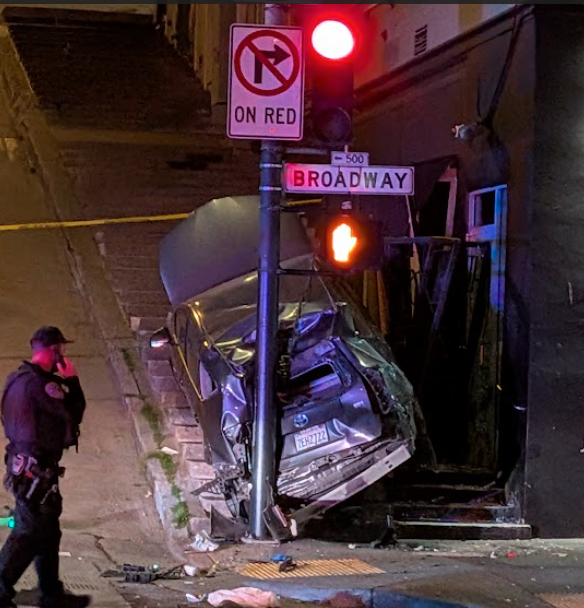
Motorist Careens onto North Beach Sidewalk, Killing Pedestrian
Driver kills pedestrian at another location where a safety project festered
The post Motorist Careens onto North Beach Sidewalk, Killing Pedestrian appeared first on Streetsblog San Francisco.