How Can Cities Succeed in State Budget Negotiations?

Winning support for good transportation projects in the state legislature can be one of the most challenging political problems cities face, especially with the current revenue squeeze. And without support from the state, it can be impossible to build new transit lines.
Mary Newsom at the Naked City recently sat in on a discussion about how Charlotte can secure funds for its transportation priorities at the state capitol. Here was the advice from state rep Bill Brawley, a Republican who represents Mecklenburg County:
For cities like Charlotte, growth and congestion mean more voters and businesses want mass transit as well as expanded roads. But the General Assembly today is dominated by Republicans who are more likely to represent rural or suburban districts. Here’s Brawley’s advice:
“Whenever you do anything to raise money for transportation … you make people mad,” he said. In that atmosphere, it’s important to try to build a statewide consensus on funding before you even approach politicians. But when Charlotte comes to Raleigh seeking money for transportation projects, he said, “Charlotte comes with Charlotte-specific projects.They don’t talk about the state as a whole. They don’t work on building support with the state as a whole.” In other words — and this is my wording here — act like you care about more than Charlotte.
His final words: “In Raleigh, if you’re not at the table, you’re on the menu.”
What do you think — has this kind of strategy succeeded where you live? Should cities advocate for their own needs first and foremost or start out by putting together a big tent coalition for more funding?
Elsewhere on the Network today: Seattle Transit Blog wonders if requiring apartment builders to “unbundle” the costs of amenities like pools and gyms would make housing more affordable. Second Avenue Sagas discusses the pros and cons of making developers contribute to funding for new transit. And Systemic Failure says that even though California’s proposed mandatory helmet bill has been watered down considerably, it’s still a problem.

Read More:
Streetsblog has migrated to a new comment system. New commenters can register directly in the comments section of any article. Returning commenters: your previous comments and display name have been preserved, but you'll need to reclaim your account by clicking "Forgot your password?" on the sign-in form, entering your email, and following the verification link to set a new password — this is required because passwords could not be carried over during the migration. For questions, contact tips@streetsblog.org.
More from Streetsblog USA
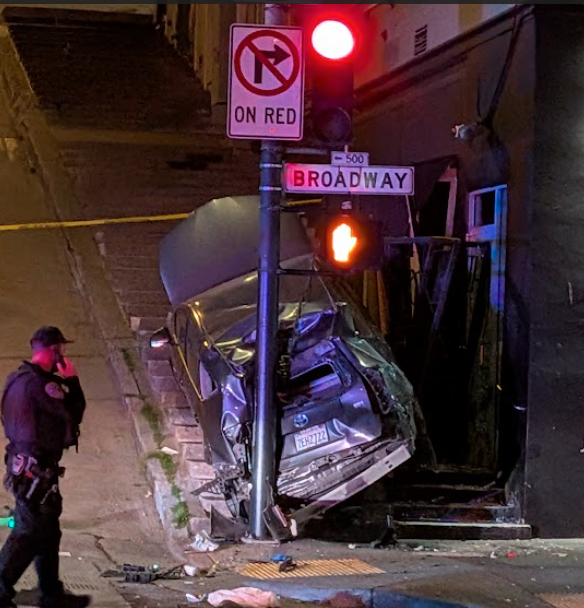
Motorist Careens onto North Beach Sidewalk, Killing Pedestrian
Driver kills pedestrian at another location where a safety project festered
The post Motorist Careens onto North Beach Sidewalk, Killing Pedestrian appeared first on Streetsblog San Francisco.