Study: Annual Cost of Sprawl in America Adds Up to $4,500 Per Person

A new study confirms what we already know too well: Sprawl is expensive. The New Climate Economy’s latest report [PDF] attempts to put a figure on it and it’s pretty staggering: more than $1 trillion a year nationwide.
That figure accounts for higher costs to individuals and communities associated with sprawling development patterns, including transportation infrastructure, less efficient city services, increased pollution, greater vehicle expenses, more traffic collisions, and reduced health outcomes.
In order to arrive at those figures, researchers separated U.S. communities into five groups, based on how relatively sprawling they were. At one end of the spectrum, where development was most dense, there were about 9.5 residents per acre. The third quintile represented average U.S. housing density, while the fifth was the most sprawling, at less than two residents per acre.
Researchers compared the costs borne by those in the most sprawling communities to those in the least sprawling. Existing studies estimating the increased costs of sprawl were used as the basis for the economic comparisons. For example, they found that infrastructure costs per capita were $502 in the smart growth quintile but $750 per capita in the most sprawling. The report also estimates that those living in the most sprawling areas spend an additional $5,000 per year on vehicle costs compared to those in the most compact.

The upshot is that sprawl costs America an astounding $4,500 annually per capita. Of those costs, about $2,500 are borne by consumers — like car maintenance or higher tax bills. Another $2,000 or so is external — costs to society — like increased air pollution, or reduced economic mobility.
Researchers also discussed some possible benefits from sprawl, like lower land costs and bigger yards, but noted that they mostly accrue to people who live in sprawling areas and may be offset largely by negative impacts on those who don’t.
Authors note that the report may underestimate the costs of sprawl because it does not attempt to quantify some negative outcomes, like reduced open space, reduced accessibility for non-drivers, or reduced economic productivity, though many researchers consider those costs important.
In light of the findings, New Climate Economy suggests some specific fixes that can help communities promote smart growth and save money. They recommend communities eliminate minimum parking requirements. They also recommend imposing impact fees on sprawling development that can help the public recover some of the shared costs of sprawl.

Read More:
Streetsblog has migrated to a new comment system. New commenters can register directly in the comments section of any article. Returning commenters: your previous comments and display name have been preserved, but you'll need to reclaim your account by clicking "Forgot your password?" on the sign-in form, entering your email, and following the verification link to set a new password — this is required because passwords could not be carried over during the migration. For questions, contact tips@streetsblog.org.
More from Streetsblog USA
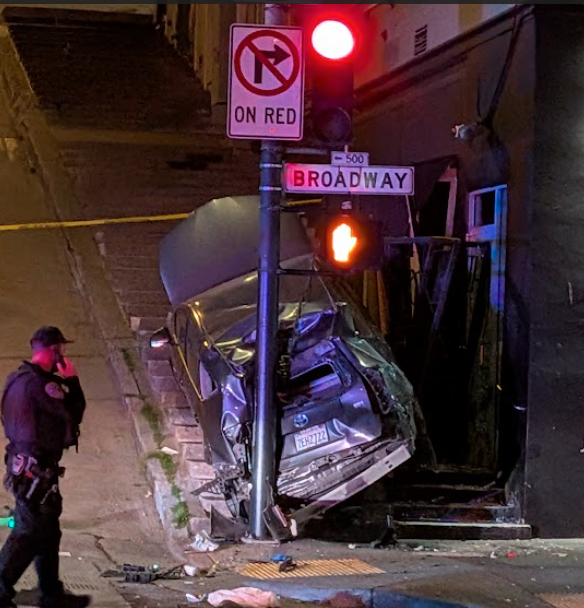
Motorist Careens onto North Beach Sidewalk, Killing Pedestrian
Driver kills pedestrian at another location where a safety project festered
The post Motorist Careens onto North Beach Sidewalk, Killing Pedestrian appeared first on Streetsblog San Francisco.