More Transit Service Is Great, But It’s Not Enough on Its Own

A new report commissioned by Ohio DOT recommends that the state should double its funding for transit. At Notes from the Underground, Jason Segedy welcomes this development, but he also notes that in many places, simply expanding transit funding won’t be enough, on its own, to make transit appealing. Places like Ohio need to complement additional transit spending with a new approach to development and planning, he writes:
We have to think about how to increase overall public transit demand — and that’s mostly an urban development, land use, and urban design issue, not a transportation issue.
It is neither wise nor effective to blindly increase the supply of transit service, by spending more money on it, and expect that action alone to translate into higher ridership.
We need to think about demand — what is it now, what will it be in the future, and most significantly — what could it be in the future?
Transit service itself is only part of the demand equation. Demand is affected heavily by how much we are spending on other transportation alternatives (expansion of highways, provision of free or under-priced parking) and how we are designing our urban environments (e.g. Are they easy or pleasant to walk or bike in? Are residential and commercial uses in close enough proximity to one another to make transit convenient and effective?)
If we simply spend more money on transit and expect that to change demand, without spending less money on highway expansion, or without addressing our sprawling development patterns, we are fooling ourselves.
Elsewhere on the Network today: Washington Bikes shares a new analysis finding cycling brings a cool $3.1 billion in consumer spending to the state annually. And BikeWalkLee reports that Cape Coral, Florida, now has 90-miles of interconnected bike routes.

Read More:
Streetsblog has migrated to a new comment system. New commenters can register directly in the comments section of any article. Returning commenters: your previous comments and display name have been preserved, but you'll need to reclaim your account by clicking "Forgot your password?" on the sign-in form, entering your email, and following the verification link to set a new password — this is required because passwords could not be carried over during the migration. For questions, contact tips@streetsblog.org.
More from Streetsblog USA
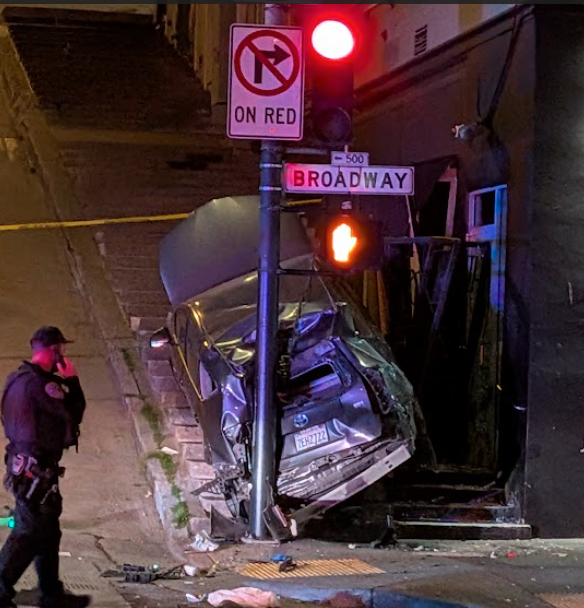
Motorist Careens onto North Beach Sidewalk, Killing Pedestrian
Driver kills pedestrian at another location where a safety project festered
The post Motorist Careens onto North Beach Sidewalk, Killing Pedestrian appeared first on Streetsblog San Francisco.