Portland Tries Out "Advisory Bike Lanes"

Portland is importing a new kind of bike lane design from the Netherlands. “Advisory bike lanes” allow drivers to use the bike lane space if they have to — and if it’s safe. Jonathan Maus at Bike Portland reports that advisory bike lanes are intended for streets with high bike traffic but not a high volume of car traffic, where there otherwise wouldn’t be room for bike lanes:
According to PBOT project manager Theresa Boyle, the city is prepping a project that will create “advisory bike lanes” on Caruthers between SE Water and SE 7th.
Boyle says the new bike lanes will be eight-feet wide (compared the existing five-foot wide lanes) and there will be one, 16-foot wide “through auto lane” in the middle. Along the southern curb (where the encroachment problems now occur), PBOT will mark an additional four-foot wide buffer zone.
Advisory bike lanes are not a PBOT invention. They are widely used in Europe (especially The Netherlands) and the City of Minneapolis also uses them. A presentation put together by PBOT Bike Coordinator Roger Geller (PDF here) explains that advisory bike lanes are typically used when standard bike lanes don’t fit. They’re also a good solution, he says, when there is a higher volume of auto traffic than a neighborhood street.
Maus says the city will conduct a public education campaign to inform drivers of how to use them properly.
Elsewhere on the Network today: As Honolulu makes progress on building an elevated, computer-operated rail system, Market Urbanism makes the case for a widespread transition to driverless trains. And BikeWalkLee explains Florida’s new pedestrian and bicycle education program.

Read More:
Streetsblog has migrated to a new comment system. New commenters can register directly in the comments section of any article. Returning commenters: your previous comments and display name have been preserved, but you'll need to reclaim your account by clicking "Forgot your password?" on the sign-in form, entering your email, and following the verification link to set a new password — this is required because passwords could not be carried over during the migration. For questions, contact tips@streetsblog.org.
More from Streetsblog USA
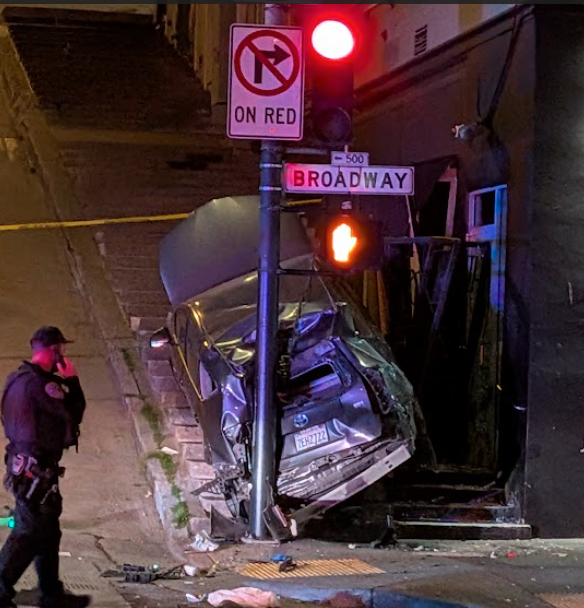
Motorist Careens onto North Beach Sidewalk, Killing Pedestrian
Driver kills pedestrian at another location where a safety project festered
The post Motorist Careens onto North Beach Sidewalk, Killing Pedestrian appeared first on Streetsblog San Francisco.