Why Transit Agencies Expand Even When They Struggle to Provide Service

New Orleans transit is in bad shape, as we reported recently. The New Orleans Regional Transit Authority has never recovered from Hurricane Katrina and service is at about 36 percent of pre-storm levels despite the region’s population rebound.
New Orleans’ frequent service lines have been slashed dramatically. Even newly built streetcar lines are running infrequently.
So why is New Orleans planning a major expansion that would dramatically expand the streetcar system, as well as add light rail and bus rapid transit? As Yonah Freemark recently pointed out at the Transport Politic, despite its inability to deliver frequent along its existing routes, NORTA plans to pour $3.5 billion into construction.
This case, Freemark explains, illustrates problematic incentives embedded in federal policy. Namely, the federal government makes money available for expansion projects but not for day-to-day service:
Because transit support from Washington, D.C. explicitly prevents spending on operations for most cities, it would be a mistake for New Orleans to pass up on the funds available for new construction.
Indeed, from a budgetary perspective, there is nothing about plans for new transit expansions that either prevent better operations or encourage it; operations and capital budgets might as well be coming from different agencies altogether.
This does not serve transit riders well, Freemark says. Current transit users in New Orleans have substandard service, and new lines could very well suffer the same fate.
Freemark says perhaps the federal government should require some type of guarantee from transit agencies considering expansions that the service would be adequate to warrant the initial investment. Or perhaps greater flexibility — letting federal funds be spent on operations as well as capital expenses in poorer regions, like New Orleans, for instance — would help produce better, more equitable outcomes.

Read More:
Streetsblog has migrated to a new comment system. New commenters can register directly in the comments section of any article. Returning commenters: your previous comments and display name have been preserved, but you'll need to reclaim your account by clicking "Forgot your password?" on the sign-in form, entering your email, and following the verification link to set a new password — this is required because passwords could not be carried over during the migration. For questions, contact tips@streetsblog.org.
More from Streetsblog USA
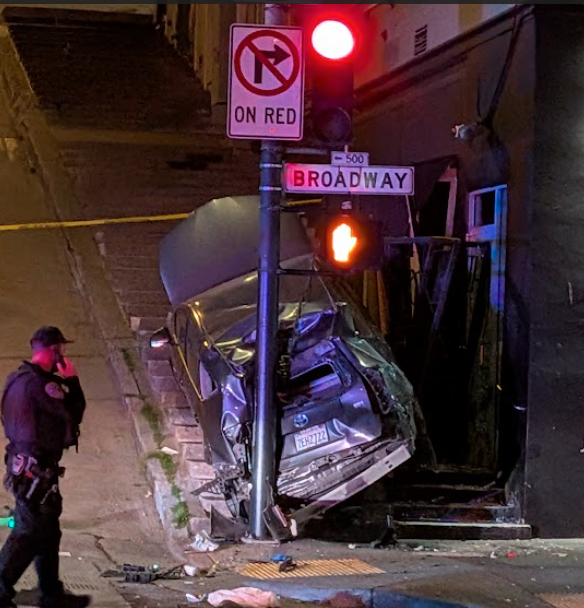
Motorist Careens onto North Beach Sidewalk, Killing Pedestrian
Driver kills pedestrian at another location where a safety project festered
The post Motorist Careens onto North Beach Sidewalk, Killing Pedestrian appeared first on Streetsblog San Francisco.