Long Beach Gets Moving on Southern California’s First Highway Teardown

This week, Long Beach put out a request for bids to tear down a stretch of the Terminal Island Freeway, opening up 20 to 30 acres for new park space. Brian Addison at Longbeachize explains why it’s a long time coming and very good news:
It’s been named one of the top “Freeways Without Futures” in the nation and described as a “perfect example of obsolete infrastructure.” It has been a blight on a neighborhood that sees some of the least amount of park space in the entire city.
Now, the project to remove a large portion of the Terminal Island (TI) Freeway in West Long Beach has officially gone out to bid in an RFP… It marks a major event in Southern California’s urban design history, being the first freeway removal project that mirrors existing projects such as the removal of both of San Francisco’s Embarcadero Freeway and Central Freeway.
The project is simple: the existing northern length of the freeway, following the development of the 20-mile long Alameda Corridor and the still-underway modernization of the Intermodal Container Transfer Facility (ICTF) by Union Pacific Railroad, is redundant. Not only do shipping companies use it less and less, the traffic itself matches those of 4th Street along Retro Row (some 13,700 [motor vehicle trips per day]). And if plans for ICTF follow through, you can drop that down to 8,700 [trips per day]–less than the traffic 3rd Street receives in the quiet neighborhood of Alamitos Beach.
Elsewhere on the Network today: Human Transit runs a response to a defense of slow-running transit projects. Greater Greater Washington shares research showing how Capital Bikeshare users change their transit habits. And the Bike League offers some suggestions for legal reforms that can help boost bicycling rates.

Read More:
Streetsblog has migrated to a new comment system. New commenters can register directly in the comments section of any article. Returning commenters: your previous comments and display name have been preserved, but you'll need to reclaim your account by clicking "Forgot your password?" on the sign-in form, entering your email, and following the verification link to set a new password — this is required because passwords could not be carried over during the migration. For questions, contact tips@streetsblog.org.
More from Streetsblog USA
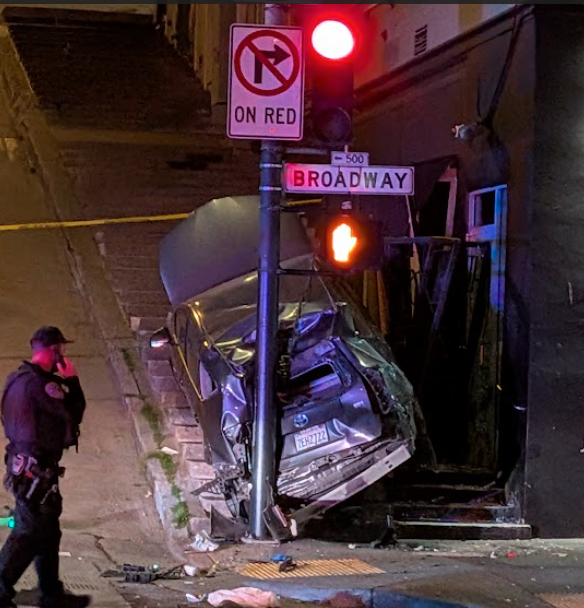
Motorist Careens onto North Beach Sidewalk, Killing Pedestrian
Driver kills pedestrian at another location where a safety project festered
The post Motorist Careens onto North Beach Sidewalk, Killing Pedestrian appeared first on Streetsblog San Francisco.