Detroit Has a $2 Billion Vacancy Crisis But the Region Still Splurges on Roads
On Tuesday, the results of a federal report on Detroit’s vacancy crisis made jaws drop: The pricetag for tearing down and cleaning up the city’s abandoned properties would be $1.85 billion, the report found.

Where the money will come from is a wide open question at this point. So is the more basic issue of whether tearing down dilapidated houses and factories is the best way to spend close to $2 billion to help Detroit.
But to put the figure in context and add a touch of irony, consider this: The Detroit region is moving forward with major highway expansion projects that will cost more than twice as much over the next decade as the proposal to address the vacancy problem.
Last year the Detroit regional planning agency approved close to $4 billion in spending to rebuild and expand I-94 and I-75 in the city and its nearby suburbs. These projects are moving forward despite widespread protests that they will further disinvestment in the urban core — a major factor in the city’s vacancy crisis.
This is a classic example of how the state, the regional planning agency, and the federal government have failed Detroit. It’s not that there’s no money flowing into the region — the money just can’t be used for what the city really needs. Instead, the big transportation bureaucracies just keep pumping money into the same kind of thing they’ve been doing for 50 years.
You’d think 40,000 vacant buildings would be a wakeup call that business as usual has failed. What will it take for the Detroit region to reexamine the planning policies that helped land it in this position?

Read More:
Streetsblog has migrated to a new comment system. New commenters can register directly in the comments section of any article. Returning commenters: your previous comments and display name have been preserved, but you'll need to reclaim your account by clicking "Forgot your password?" on the sign-in form, entering your email, and following the verification link to set a new password — this is required because passwords could not be carried over during the migration. For questions, contact tips@streetsblog.org.
More from Streetsblog USA
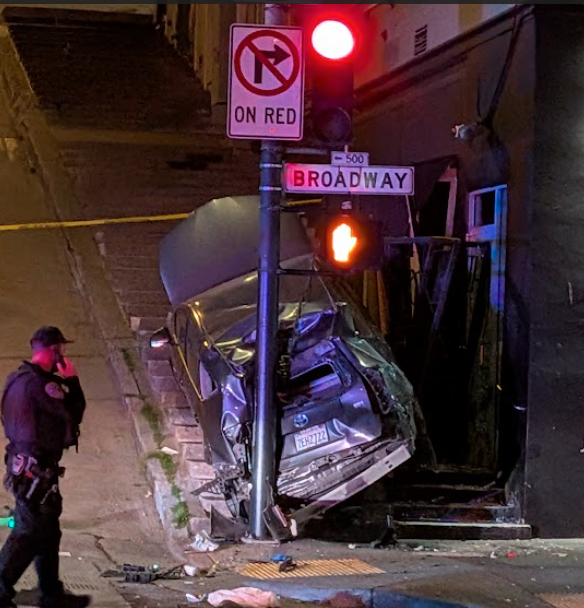
Motorist Careens onto North Beach Sidewalk, Killing Pedestrian
Driver kills pedestrian at another location where a safety project festered
The post Motorist Careens onto North Beach Sidewalk, Killing Pedestrian appeared first on Streetsblog San Francisco.