L.A.’s New Light Rail Line Is Luring Angelenos Out of Their Cars
What would it take to get Los Angeles residents to drive less? New research indicates that building light rail is working well.

A study from the University of Southern California of the new Expo light rail line — which opened in two phases last year and runs 8.7 miles west from downtown — found that people living near stations significantly reduced their driving.
USC researchers tracked the travel behavior of 103 subjects living in neighborhoods within one-half mile of a station. The results were compared against another set of people with similar demographic characteristics who live more than a half-mile from a station. Both groups had the same travel habits before the light rail line opened, and no one in either group was told they were participating in a study of the Expo Line.
Researchers called the changes in travel behavior among residents near the new transit line “striking.” After the line opened, households within half a mile of an Expo station drove 10 to 12 fewer miles each day relative to the control group — a reduction of about 40 percent. Those households also reduced their vehicle carbon emissions about 30 percent.
In addition, there was some evidence that the transit investment increased physical activity among nearby residents. The subjects who had the lowest levels of physical activity increased their daily exercise by as much as eight to 10 minutes a day, the study found.

Read More:
Streetsblog has migrated to a new comment system. New commenters can register directly in the comments section of any article. Returning commenters: your previous comments and display name have been preserved, but you'll need to reclaim your account by clicking "Forgot your password?" on the sign-in form, entering your email, and following the verification link to set a new password — this is required because passwords could not be carried over during the migration. For questions, contact tips@streetsblog.org.
More from Streetsblog USA
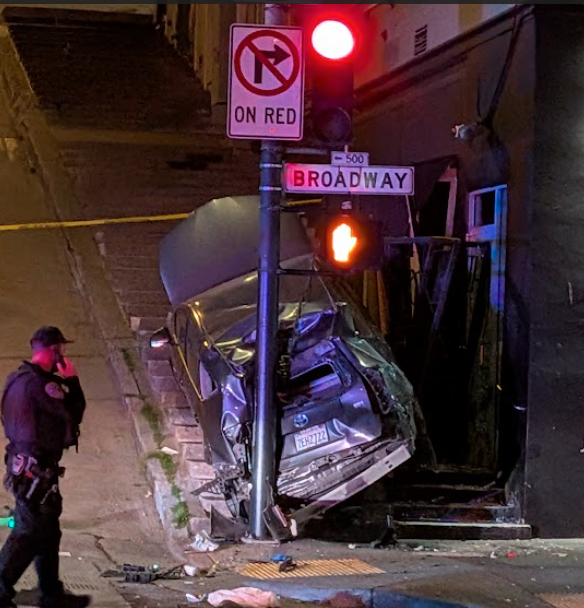
Motorist Careens onto North Beach Sidewalk, Killing Pedestrian
Driver kills pedestrian at another location where a safety project festered
The post Motorist Careens onto North Beach Sidewalk, Killing Pedestrian appeared first on Streetsblog San Francisco.