

The “Gentrification Paradox”


Bill Lindeke at Twin City Sidewalks calls it the “gentrification paradox”: when urbanites oppose bike lanes, streetcars, and other improvements to their neighborhoods out of fear that current residents will eventually be priced out.
Lindeke says this is especially true in cities with expensive housing markets, like New York:
These conversations often lead people to odd and paradoxical places. I caught one long-time Brooklyn woman describing how upset she got when the city began improving her neighborhood park, because it meant she’d be priced out of her home. My old friends from Brooklyn told me they were “hoping for a crime wave during the new mayor’s term, so that people would stop moving here and rents would go down.” They were only half joking.
The way that cities change can sometimes lead us into these odd paradoxical moments where things I consider to be improvements — a new transit project, a streetcape investment, replacing a parking lot with an apartment building — are greeted with frustration or anger. It’s what I call the gentrification paradox. It’s because our cities are so deeply intertwined with complex social histories of race, class, and neighborhood. It’s impossible to separate these issues, and they often lead us into tangled logics.
Elsewhere on the Network today: Urban Cincy reports the price of cancelling the Cincinnati streetcar is estimated at more than $100 million. Bike Portland says that despite bitter divides in Congress, cycling is still an issue that appeals to both parties. And Green Caltrain explains how California’s cap and trade program is going to help transit agencies.
Photo via Twin City Sidewalks

Read More:
Support Streetsblog
More from Streetsblog USA
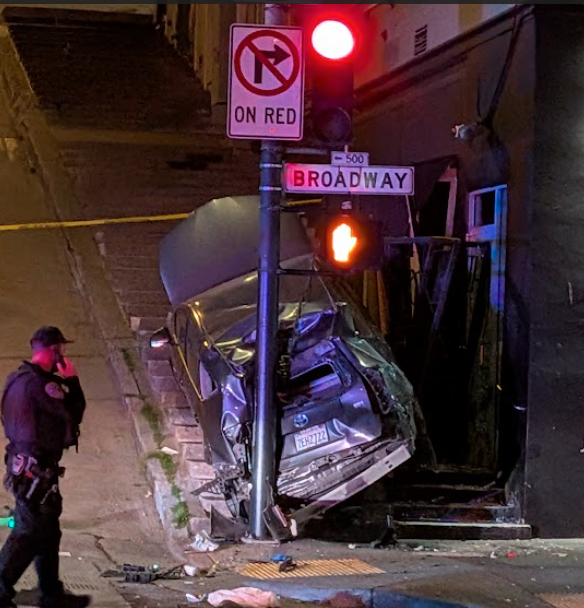
Motorist Careens onto North Beach Sidewalk, Killing Pedestrian
Driver kills pedestrian at another location where a safety project festered
The post Motorist Careens onto North Beach Sidewalk, Killing Pedestrian appeared first on Streetsblog San Francisco.






Comments Are Temporarily Disabled
Streetsblog is in the process of migrating our commenting system. During this transition, commenting is temporarily unavailable.
Once the migration is complete, you will be able to log back in and will have full access to your comment history. We appreciate your patience and look forward to having you back in the conversation soon.