Meet Streetmix, the Website Where You Can Design Your Own Street


Last fall, Lou Huang was at a community meeting for the initiative to redesign Second Street in San Francisco. Planners handed out paper cutouts, allowing participants to mix and match to create their ideal street. Huang, an urban designer himself, thought the exercise would make for a great website. Now, after months of work beginning at a January hackathon with colleagues at Code for America, it is a great website.
The principle behind Streetmix is simple: it brings drag-and-drop functionality to a basic street design template. Users select a road width and add or remove everything from light rail to wayfinding signs, adjusting the size of each feature meet their specifications.
“It’s a little bit like a video game,” collaborator Marcin Wichary said. “We were very inspired by SimCity.”
But Streetmix is more than just a fun way for amateur street designers to spend an afternoon. “What we want to focus on is, how can this enable meaningful conversations around streets?” Wichary said. “For many people it’s a kind of entry point.”
The first version of Streetmix went online in January, but the latest version, which has new features and a slicker design, launched less than two weeks ago. In that short time, advocates have used the website to illustrate possibilities for Dexter Avenue in Seattle and Route 35 on the Jersey Shore. Streetmix has profiled how people from Vancouver to Cleveland use the website. Residents of Sioux Center, Iowa, even used Streetmix illustrations in their campaign to stop the state DOT’s road widening plan in their town.
“It’s giving power back to the people, allowing them to vocalize what their streetscape priorities are,” Huang said.
While the website can be a powerful tool for advocacy, its creators are clear that it has limitations. “It doesn’t look like a CAD drawing,” Wichary said. “It’s deliberately much more playful.” A common request is for the website to include drainage and topographical features.

“That’s something we’ll probably never include in Streetmix,” Huang said, adding that the goal is to make street design basics more accessible to the general public. “We’re not building a professional CAD tool.”
But there are some features that might eventually find their way to future versions of the website. Huang said that one of the very first requests was to add a plan view, so users could have a birds-eye view instead of simply looking at sections of a street. Huang is also interested in adding geolocation features, so users can explore what other people have proposed for streets in their neighborhood.
Some users have requested the ability to turn on and off design restrictions for certain projects — for example, setting a fixed right-of-way width or requiring inclusion of bus lanes, if those are the parameters of a particular street or campaign.
It’s uncertain whether these upgrades will become a part of Streetmix. Huang and Wichary are both fellows at Code for America through November, working with cities across the country on tools for everything from criminal justice to food trucks.
“It does remain to be seen what happens to Streetmix after our fellowship program is over,” Huang said. “Nobody wants it to die.”

Read More:
Streetsblog has migrated to a new comment system. New commenters can register directly in the comments section of any article. Returning commenters: your previous comments and display name have been preserved, but you'll need to reclaim your account by clicking "Forgot your password?" on the sign-in form, entering your email, and following the verification link to set a new password — this is required because passwords could not be carried over during the migration. For questions, contact tips@streetsblog.org.
More from Streetsblog USA
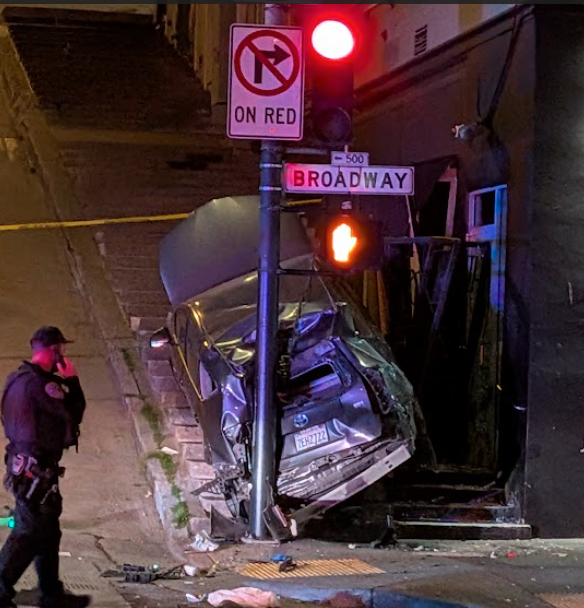
Motorist Careens onto North Beach Sidewalk, Killing Pedestrian
Driver kills pedestrian at another location where a safety project festered
The post Motorist Careens onto North Beach Sidewalk, Killing Pedestrian appeared first on Streetsblog San Francisco.