Credit Rating Agencies Uneasy About Toll Roads as Americans Drive Less

Toll roads aren’t the cash cows they used to be. The assumption that the roads will “pay for themselves” is no longer a reliable one, and credit rating agencies are taking notice.

In Orange County, California, traffic on the San Joaquín Hills toll road is half what was projected. A recent toll road extension outside of Austin, Texas, is also seeing just half the expected traffic volume, leading the company that oversees the road to cut toll prices in hopes of attracting more “customers.” Moody’s Investor Services has downgraded the company’s credit rating. In the DC suburbs, the Inter-County Connector and new high-occupancy toll lanes along the famously congested Capitol Beltway are both getting far less than half the use that was projected. In San Diego County, the private company that built and operated the South Bay Expressway went into bankruptcy when the cars failed to materialize.
The federal loan program for transportation, TIFIA, now looks at only one criterion when choosing projects. Prohibited from considering public benefit, regional significance, or environmental impact, U.S. DOT staff chooses projects on the basis of credit-worthiness alone. The conventional wisdom holds that toll roads are the natural beneficiaries of this approach, since they include a mechanism for paying the loan back — but stories like those above indicate that that assumption should be re-examined.
Fitch Ratings, one of the Big Three credit rating agencies, warned investors in June that it was concerned about the future profitability of toll roads, given that “Americans have driven less each year since 2004 and those ages 16 to 34 have reduced their driving more than any other age group.”
Fitch analysts cited the groundbreaking report, “A New Direction,” by U.S. PIRG and stated their own belief that “the recession and increase in gas prices only partially explain this broad trend.” They think the shift from suburban to urban living and changes in technology and work patterns mean a more lasting reduction in driving. As such, they state, “caution remains warranted when future projections are the basis for investment.”
“In our view, these trends could have an impact given the U.S.’s current dependence on the user-fee infrastructure development model,” Fitch analysts wrote. “If these reductions persist, greater public subsidies would be required to fund still-needed new projects and provide credit stability.”
Of course, road projects have always required subsidies. Nearly 50 percent of road spending is covered by general taxpayer funds.

Streetsblog has migrated to a new comment system. New commenters can register directly in the comments section of any article. Returning commenters: your previous comments and display name have been preserved, but you'll need to reclaim your account by clicking "Forgot your password?" on the sign-in form, entering your email, and following the verification link to set a new password — this is required because passwords could not be carried over during the migration. For questions, contact tips@streetsblog.org.
More from Streetsblog USA
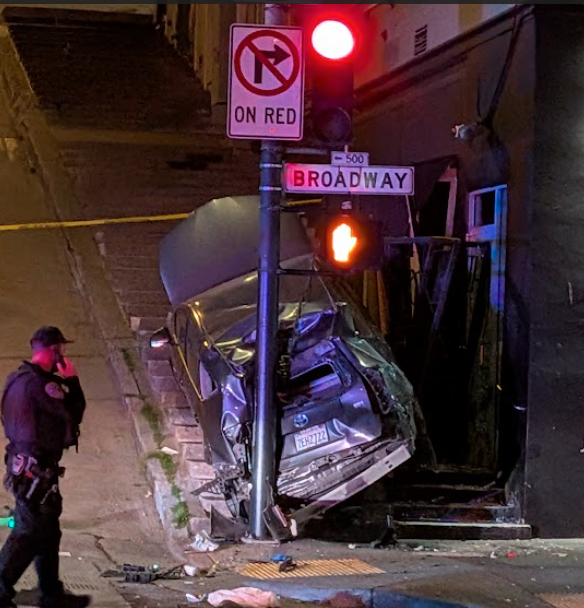
Motorist Careens onto North Beach Sidewalk, Killing Pedestrian
Driver kills pedestrian at another location where a safety project festered
The post Motorist Careens onto North Beach Sidewalk, Killing Pedestrian appeared first on Streetsblog San Francisco.