Measuring the Shift Away From Car Ownership, City By City
A new analysis by Michael Andersen at Bike Portland helps illuminate how shifts in car ownership are playing out in different cities.

Andersen reviewed Census data from 2005 and 2011. He found that households with less than one car per adult accounted for about 60 percent of Portland’s population growth. About one in four Portland households met this definition of “car-lite” in 2011, Andersen reports, compared to one in five households six years earlier.
Andersen looked at a few more cities to see whether car-lite households make up a growing share of the population.
In Austin, a more car-dependent city, not much has changed. About 13 percent of households are “car-lite,” and car-lite households account for 13 percent of the growth between 2005 and 2011. In Seattle, there’s been some movement, but not as much as in Portland: car-lite households make up 25 percent of the city overall while accounting for 37 percent of its recent growth. Meanwhile, walkable, transit-rich Boston is growing even less car-dependent: almost 70 percent of new households have fewer cars than adults, according to Andersen, compared to about half of the city’s overall population.
In Portland, Andersen notes, the real estate market is starting to react to the shift away from car-dependence — to build more walkable places and less parking. Is that going to be a trend in other American regions?
Well, car-lite households accounted for about 28 percent of America’s growth between 2005 and 2011 — double the overall national share of car-lite households.

Read More:
Streetsblog has migrated to a new comment system. New commenters can register directly in the comments section of any article. Returning commenters: your previous comments and display name have been preserved, but you'll need to reclaim your account by clicking "Forgot your password?" on the sign-in form, entering your email, and following the verification link to set a new password — this is required because passwords could not be carried over during the migration. For questions, contact tips@streetsblog.org.
More from Streetsblog USA
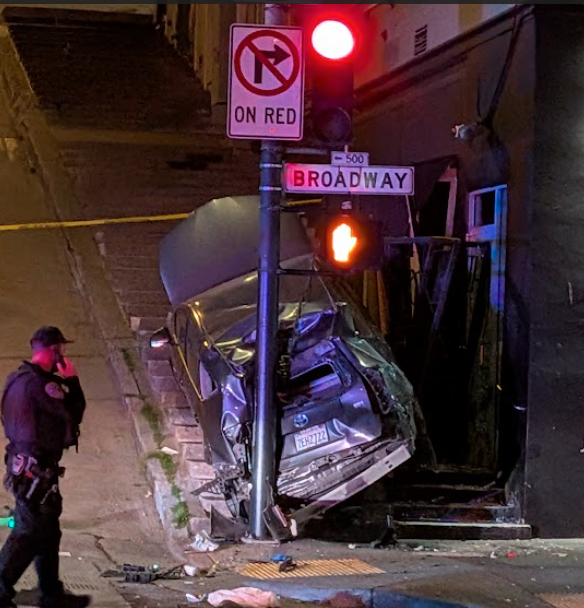
Motorist Careens onto North Beach Sidewalk, Killing Pedestrian
Driver kills pedestrian at another location where a safety project festered
The post Motorist Careens onto North Beach Sidewalk, Killing Pedestrian appeared first on Streetsblog San Francisco.